Havelis of Jaisalmer: Royal Palaces of Golden Sandstone Grandeur
Overview
The Havelis of Jaisalmer stand as sculpted poetry in golden sandstone. Rising gracefully within the narrow lanes of the Golden City, these architectural masterpieces narrate stories of prosperity, power, and artistic brilliance. Long before modern tourism transformed Jaisalmer into a global destination, it thrived as a flourishing trade center along the ancient camel caravan routes connecting India with Central Asia and beyond. Wealthy merchants, ministers, and noble families invested their fortunes into building palatial residences that would reflect both their status and devotion to craftsmanship.
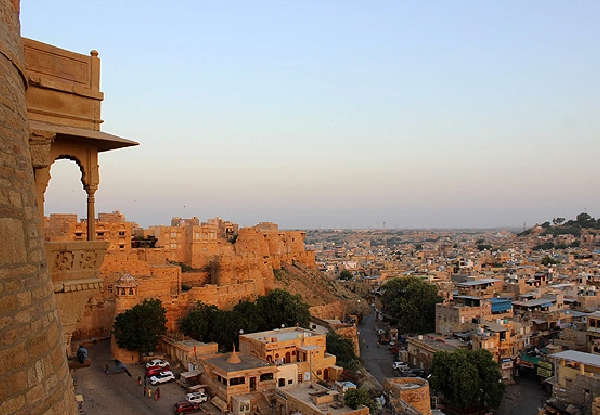
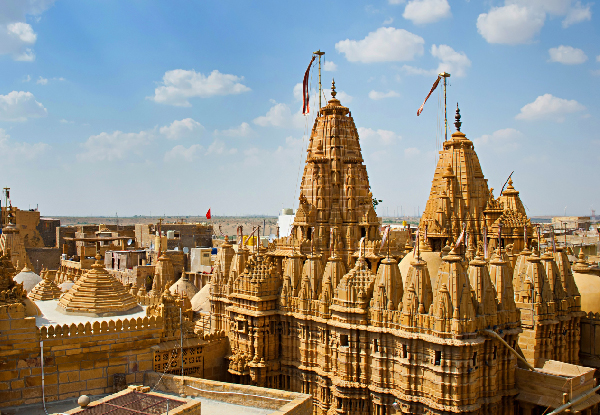
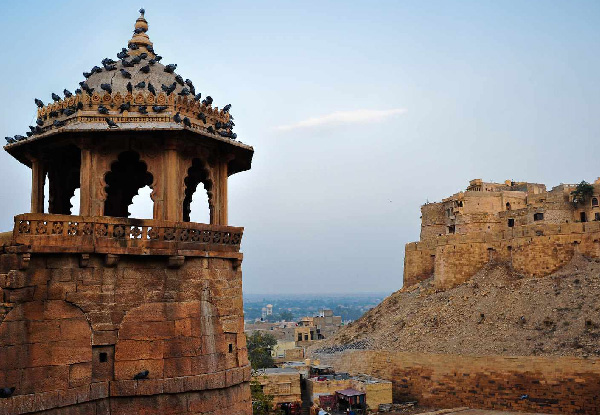
Unlike ordinary mansions, these havelis were statements of identity. Every carved arch, jharokha balcony, lattice screen, and decorated façade symbolized affluence and prestige. Built from the same luminous yellow sandstone that gives the city its nickname, these palaces glow under the desert sun, creating a seamless visual harmony with Jaisalmer Fort and surrounding structures.
Exploring the Royal Havelis of Jaisalmer is not simply sightseeing — it is stepping into a preserved chapter of Rajasthan’s mercantile glory. Among the many mansions that grace the city, three stand out for their historical importance and architectural magnificence: Patwon Ki Haveli, Salim Singh Ki Haveli, and Nathmal Ki Haveli. Each reflects a distinct narrative, yet collectively they define the enduring grandeur of desert aristocracy.
The Architectural Brilliance of Jaisalmer Havelis
The uniqueness of Jaisalmer Haveli Architecture lies in its detailed craftsmanship. These mansions were constructed without modern machinery, relying entirely on manual artistry. Skilled artisans spent years chiseling sandstone into delicate floral motifs, mythological scenes, geometric patterns, and intricate lattice work.
The façades appear almost lace-like despite being carved from solid stone. Balconies project outward with finely sculpted brackets. Windows are shielded with jalis that allow airflow while maintaining privacy — a practical adaptation to desert climate. Courtyards inside the havelis served as communal spaces, allowing ventilation and natural light to circulate.
The design philosophy blended aesthetics with functionality. Thick sandstone walls provided insulation against extreme desert temperatures. Elevated terraces captured cool evening breezes. Ornate doorways opened into richly decorated interiors painted with murals and adorned with mirror work.
These structures demonstrate how desert architecture mastered both survival and beauty. Even centuries later, the detailing remains astonishingly sharp, making the Historic Havelis in Jaisalmer some of the finest examples of Rajputana artistry.
Havelis of Jaisalmer
The havelis of Jaisalmer are stunning examples of royal architecture built by wealthy merchants and ministers during the golden era of trade.
Patwon Ki Haveli – The Crown Jewel of Merchant Wealth
Among all the mansions in the city, Patwon Ki Haveli holds a place of exceptional prominence. Built in the early nineteenth century by the affluent trader Guman Chand Patwa, this grand complex is actually a cluster of five interconnected havelis. It remains one of the earliest and largest residential structures constructed in Jaisalmer.
The Patwa family accumulated immense wealth through trade in precious metals, textiles, and caravans that crossed the Thar Desert. Their financial success translated into architectural extravagance. The first haveli in the complex took decades to complete, reflecting the patience and ambition behind its design.
The exterior façade is breathtaking. Rows of delicately carved balconies project outward like layered embroidery in stone. Pillars, archways, and overhanging windows showcase meticulous detailing that appears almost impossible to achieve with sandstone. The carvings depict floral vines, musicians, royal figures, and symbolic motifs representing prosperity.
Inside, the rooms reveal painted ceilings, mirror-work decorations, and intricate wall frescoes. Courtyards connect various chambers, allowing natural light to illuminate interiors. Each level offers a different vantage point overlooking the narrow streets of Jaisalmer.
Today, parts of the complex function as museums displaying artifacts, manuscripts, and historical objects that provide deeper insight into the lifestyle of wealthy merchants. Visiting Patwon Ki Haveli Jaisalmer feels like entering a preserved aristocratic residence frozen in time.
Timings: 8:00 AM to 7:00 PM
Salim Singh Ki Haveli – The Palace of Distinctive Design
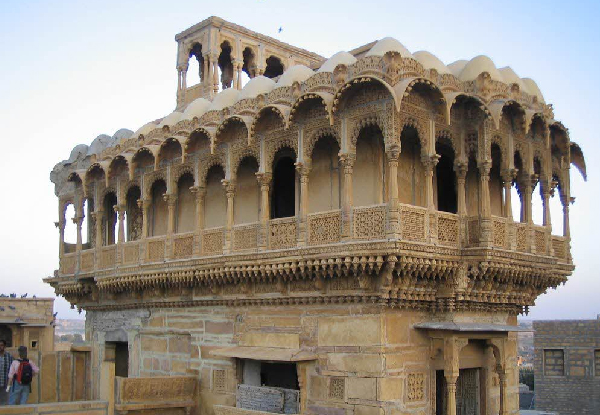
The dramatic silhouette of Salim Singh Ki Haveli makes it one of the most visually unique mansions in Jaisalmer. Constructed in the early nineteenth century by Salim Singh, the Prime Minister of the kingdom, this haveli is famous for its unconventional architecture.
Unlike the symmetrical structure of Patwon Ki Haveli, this mansion features a distinctive upper façade resembling the shape of a peacock or ship. The projecting balconies curve outward, giving it an almost floating appearance. Because of its ship-like design, it is often referred to as Jahaz Mahal.
The haveli originally had more levels than it does today, but historical accounts suggest that certain sections were removed due to royal rivalry. Despite modifications over time, the structure remains an architectural marvel.
Thirty-eight intricately carved balconies adorn the façade, each displaying unique detailing. The brackets supporting these balconies are elaborately sculpted, demonstrating remarkable engineering skill. The upper levels feature ornate arches and projecting windows that capture desert breezes.
Walking through Salim Singh Ki Haveli Jaisalmer, visitors experience a blend of ambition and artistry. The design stands as evidence of the Prime Minister’s desire to create a residence that would rival royal palaces themselves.
Timings: 8:00 AM to 6:00 PM
Havelis of Jaisalmer – Timeless Sandstone Architecture
The royal havelis of Jaisalmer are magnificent heritage buildings that reflect the city’s rich history and artistic excellence.
Nathmal Ki Haveli – A Tale of Twin Craftsmanship
Another extraordinary example of Golden Sandstone Haveli Design is Nathmal Ki Haveli. Commissioned as the residence of Diwan Mohata Nathmal, this mansion carries a fascinating architectural story.
Two architect brothers, Hathi and Lulu, were assigned to construct the haveli. According to legend, each brother worked on one side of the façade independently. Without constantly coordinating with each other, they began carving simultaneously from opposite ends.
The result is a façade that appears symmetrical at first glance but reveals subtle differences upon closer inspection. The carvings vary slightly on each side, reflecting the individuality of the two craftsmen.
The detailing includes elephants, horses, floral patterns, and even miniature depictions influenced by global motifs that traders may have encountered along caravan routes. The blend of local and foreign influences gives Nathmal Ki Haveli Jaisalmer a distinctive personality.
Inside, the mansion features decorated interiors with paintings and mirror embellishments. Though parts remain privately owned, the exterior alone makes it a must-visit landmark during a Jaisalmer Sightseeing Tour.
Timings: 8:00 AM to 5:00 PM
Symbol of Trade Prosperity and Cultural Legacy
The Heritage Havelis of Jaisalmer are more than decorative monuments. They symbolize an era when the city thrived as a strategic trading hub. Merchants accumulated wealth through caravan routes that transported silk, spices, precious stones, and textiles across continents.
These mansions were built not merely for comfort but to represent influence and prestige. Their scale and detail conveyed the financial strength of their owners. At the same time, they became centers of social life where festivals, gatherings, and business meetings were conducted.
The preservation of these structures offers insight into the socio-economic fabric of historic Rajasthan. They stand as enduring reminders that desert landscapes once supported powerful trade networks and prosperous communities.
Experiencing the Havelis as a Traveler
Exploring the Famous Havelis in Jaisalmer is best done on foot. Narrow streets lead from one mansion to another, creating an immersive walking experience. Early morning and late afternoon visits provide ideal lighting conditions for photography as the sandstone glows warmly.
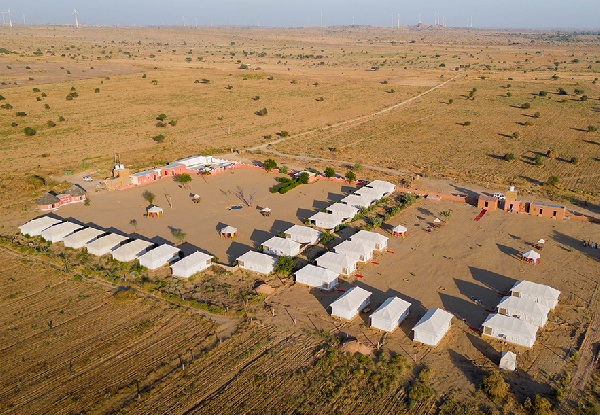
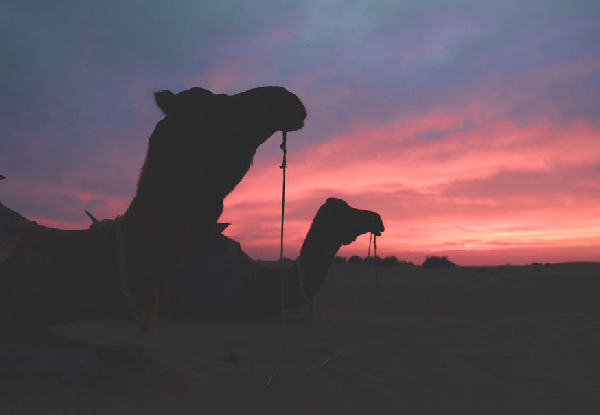
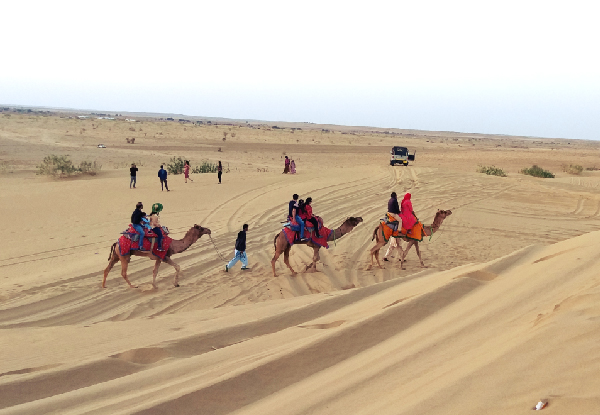
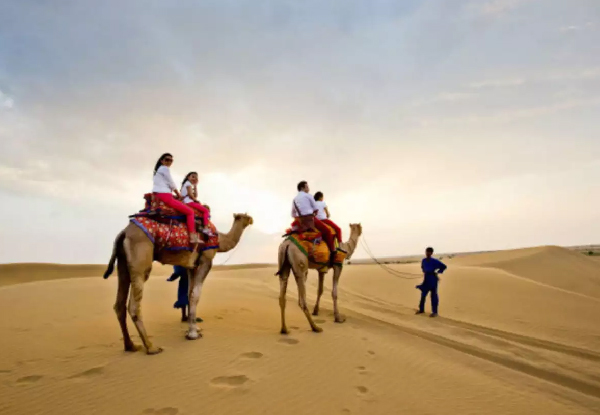
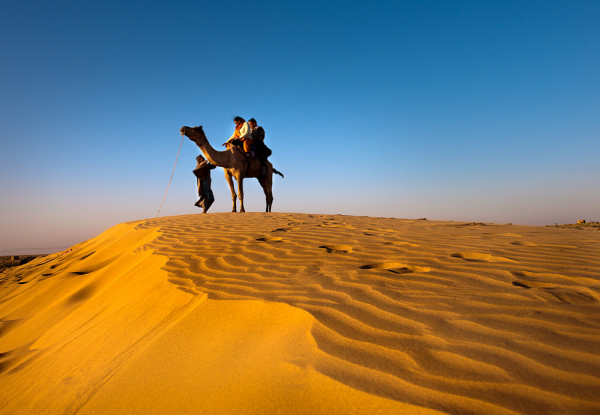
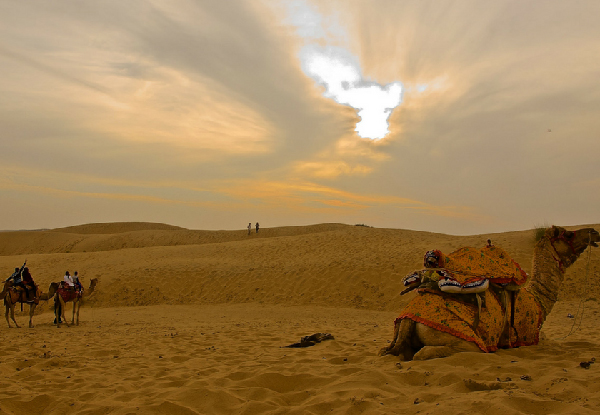
Combining haveli visits with nearby attractions such as Gadisar Lake, Bada Bagh, and the majestic Jaisalmer Fort enhances the overall heritage journey. Many travelers also include Desert Safari in Jaisalmer and overnight camping to experience both architectural and natural beauty in one itinerary.
The contrast between ornate mansions and vast sand dunes captures the essence of Jaisalmer - a city where luxury once flourished amidst the desert.
Why the Grandeur Never Fades
What makes the grandeur of these havelis timeless is their resilience. Despite centuries of exposure to desert winds and shifting sands, their carvings remain impressively intact. The sandstone seems to absorb sunlight during the day and radiate warmth at dusk, giving the structures a living presence.
Every balcony, archway, and carved window tells a silent story of ambition, devotion to art, and architectural genius. The havelis of Jaisalmer continue to inspire admiration among historians, architects, photographers, and travelers alike.
Their magnificence does not belong only to the past - it continues to define the identity of the Golden City.