Tourist Attractions in Jaisalmer Rajasthan: Complete Guide to Jaisalmer Fort & Beyond
Overview
Jaisalmer, often called the Golden City of Rajasthan, rises dramatically from the heart of the Thar Desert. Built from warm yellow sandstone that glows under sunlight, the entire city appears like a mirage shaped by history. Among all the tourist attractions in Jaisalmer Rajasthan, one monument dominates the skyline — the magnificent Jaisalmer Fort, also known as Sonar Quila.
Unlike many forts in India that stand silent and abandoned, Jaisalmer Fort is alive. It is not just a monument — it is a living heritage structure where thousands of residents still inhabit the ancient lanes. Exploring this city means walking through centuries of Rajput valor, merchant prosperity, and desert resilience.
This detailed guide will help you understand why Jaisalmer remains one of the most important travel destinations in Rajasthan.
Jaisalmer Fort – The Crown Jewel of the Golden City
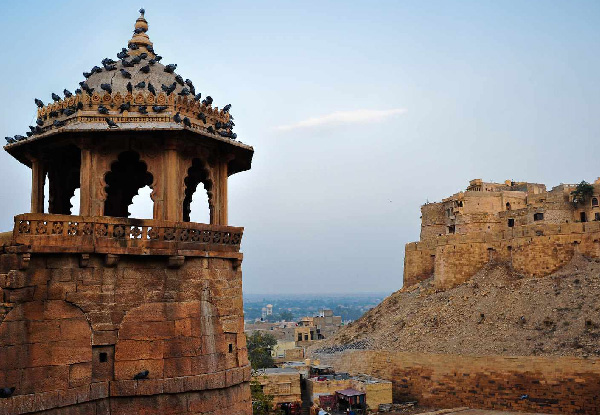
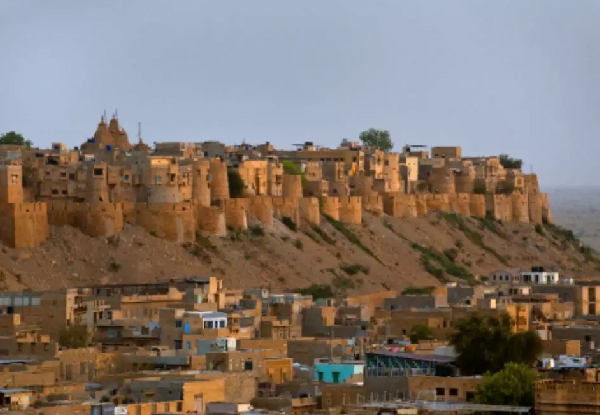
Perched on Trikuta Hill, Jaisalmer Fort Rajasthan commands sweeping views of the desert landscape. Constructed in 1156 by Maharawal Jaisal Singh of the Bhati Rajput clan, the fort became the political and economic center of the region.
The golden sandstone walls change color throughout the day. At sunrise, they radiate soft amber hues. By afternoon, they glow intensely under desert sunlight. During sunset, the fort appears almost molten, blending with surrounding dunes.
This architectural masterpiece earned recognition as a UNESCO World Heritage Site under the group of Hill Forts of Rajasthan. What makes it unique is that it remains one of the largest living forts in the world.
Historically, the fort witnessed multiple invasions and sieges. It faced attacks from Alauddin Khilji and later experienced Mughal pressure. Despite battles and shifting alliances, the fort retained its strategic and cultural significance.
Today, walking through the massive gateways — Akhai Pol, Suraj Pol, Ganesh Pol, and Hawa Pol — transports visitors into a medieval city that continues to breathe history.
Book Your Jaisalmer Desert Adventure Now
Experience the golden sand dunes, thrilling camel safari, and unforgettable desert life in Jaisalmer.
Life Inside the Living Fort
Unlike other forts that function solely as museums, Jaisalmer Fort tourist attraction is home to nearly four thousand residents. Narrow winding lanes lead to houses, temples, rooftop cafes, handicraft shops, and small guesthouses.
Dashera Chowk serves as the central square where cultural life once flourished. Even today, the area remains vibrant with local activity.
The experience of wandering inside the fort is immersive. You encounter artisans crafting silver jewelry, shopkeepers displaying embroidered textiles, and rooftop restaurants offering panoramic desert views.
The fort is not frozen in time. It evolves while preserving its core heritage.
Raj Mahal – The Royal Residence
Inside the majestic fort complex stands Raj Mahal Jaisalmer, the former royal residence of the Bhati rulers. This grand palace was not constructed in a single phase but evolved gradually over generations, with successive rulers adding new chambers,
balconies, and decorative elements. As a result, the palace reflects a fascinating blend of Rajput and Mughal architectural influences, showcasing both martial strength and refined artistry.
The multi-storeyed structure rises elegantly within the fort’s interior, its façade adorned with intricately carved balconies, projecting jharokhas, and ornamental arches. Each level reveals a new layer of craftsmanship. The sandstone walls are embellished with delicate carvings that depict floral patterns, symbolic motifs, and traditional designs that once represented royal authority and prestige.
Inside, the palace unfolds into a network of ornate chambers and audience halls where rulers once conducted administrative meetings and royal ceremonies. The museum section displays royal costumes, weaponry, ancient manuscripts, coins, paintings, and ceremonial objects that provide insight into the governance and daily life of the Rajputana era. Walking through these halls allows visitors to imagine courtly gatherings, royal announcements, and festive celebrations that once animated the palace walls.
Exploring Raj Mahal in Jaisalmer Fort offers not only architectural admiration but also a deeper understanding of the political, cultural, and ceremonial traditions that shaped the Golden City. It transforms the visit from sightseeing into a meaningful journey through history.
Jain Temples – Spiritual Brilliance in Stone
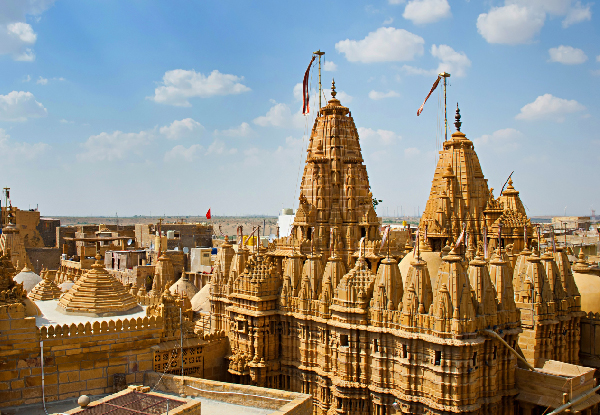
Within the sacred heart of the fort complex lie the remarkable Jain Temples of Jaisalmer, dating back to the twelfth and fifteenth centuries. These temples are dedicated to revered Jain Tirthankaras and represent some of the finest examples of desert temple architecture.
Constructed from the same golden sandstone that defines Jaisalmer’s skyline, the temples display an astonishing level of detail. Pillars, ceilings, doorways, and walls are covered with intricate carvings depicting mythological scenes, celestial dancers, sacred symbols, and geometric designs. The precision of the stonework rivals the marble carvings seen in other famous Jain temples across India.
The ceilings feature circular mandalas with layered carvings that appear almost three-dimensional. Pillars are sculpted with miniature figurines and narrative depictions that tell spiritual stories. The temple interiors glow softly under filtered sunlight, creating an atmosphere of serenity and devotion.
Despite being located within a bustling fort, the calm spiritual ambiance inside the temples feels detached from the noise outside. Visitors often pause here not only to admire architecture but to absorb the peaceful energy of the space. The Jain Temples inside Jaisalmer Fort represent a harmonious blend of faith, craftsmanship, and artistic devotion that continues to inspire travelers.
Jawahar Palace and Tazia Tower
Among the notable landmarks inside the fort complex is Jawahar Palace, an architectural addition from a later period. Though smaller compared to Raj Mahal, it reflects evolving design influences and decorative sophistication. The interiors include finely sculpted pillars, carved balconies, and decorative chambers that once served royal functions.
Close to Jawahar Palace stands the distinctive Tazia Tower, an unusual five-storey structure constructed by Muslim craftsmen. Each level of the tower reflects a slightly different architectural style, showcasing creativity and cultural inclusivity. The tower is believed to have been inspired by ceremonial tazias used during Muharram processions, symbolizing cross-cultural artistic collaboration within Jaisalmer.
The intricate façade of Tazia Tower features ornamental balconies and delicate carvings that stand out against the fort’s larger structures. Together, Jawahar Palace and Tazia Tower highlight the diversity of architectural expression within this major tourist attraction in Jaisalmer Rajasthan.
These landmarks add depth to the fort experience, reminding visitors that Jaisalmer’s history is layered with cultural exchange and artistic innovation.
Panoramic Views from the Fort Walls
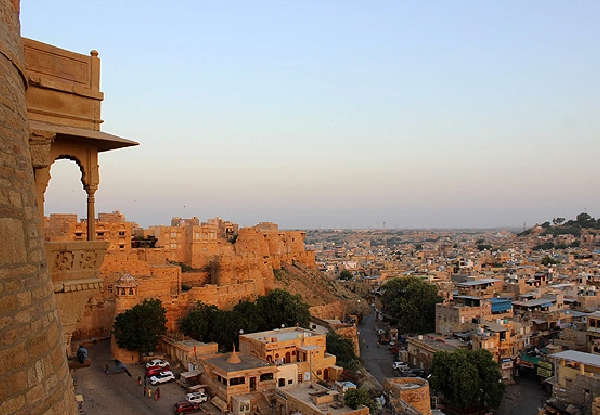
One of the most memorable experiences inside the fort is ascending to the ramparts. From the elevated walls, visitors witness a breathtaking panorama of the Golden City stretching into the vast Thar Desert.
Flat-roofed houses built from yellow sandstone extend outward in neat clusters, creating a uniform golden landscape. Beyond the city limits, desert plains unfold endlessly, merging with the horizon. The fort’s height provides a commanding perspective that once allowed rulers to monitor approaching caravans and potential threats.
Sunrise and sunset from the fort walls are especially captivating. At dawn, the city slowly awakens under soft amber light. At dusk, the sandstone structures shift through shades of gold, orange, and deep honey tones. The transformation of light and shadow creates a surreal visual spectacle that defines Jaisalmer’s identity.
For photographers and travelers alike, this vantage point is among the finest in Rajasthan. The interplay between architecture and desert landscape makes the fort ramparts a highlight of any visit to Jaisalmer Rajasthan tourist attractions.
Beyond the Fort – Other Tourist Attractions in Jaisalmer Rajasthan
While Jaisalmer Fort remains the city’s centerpiece, numerous other attractions enhance the overall travel experience.
The intricately carved Patwon Ki Haveli, Nathmal Ki Haveli, and Salim Singh Ki Haveli showcase the prosperity of merchant families and their architectural ambition. Their lace-like sandstone façades add elegance to the city’s heritage narrative.
Gadisar Lake offers a tranquil retreat, surrounded by cenotaphs and small temples reflected in calm waters. Early mornings here provide peaceful moments away from crowds.
Bada Bagh features royal chhatris set against desert backdrops, creating dramatic silhouettes during sunset. The cenotaphs commemorate former rulers and provide insight into royal traditions.
The abandoned village of Kuldhara introduces an element of folklore and mystery, allowing visitors to explore ruins linked with legendary stories.
Each destination adds a unique dimension to the broader tapestry of tourist attractions in Jaisalmer Rajasthan, making the city rich in variety and historical depth.
Discover the Magic of Jaisalmer Desert Experience
Step into the heart of the Thar Desert and enjoy an unforgettable journey filled with golden dunes, camel rides, and breathtaking sunsets.
Desert Safari – The Adventure Beyond Heritage
No exploration of Jaisalmer is complete without venturing into the desert. A Desert Safari in Jaisalmer transports visitors from architectural grandeur to the open expanse of the Thar.
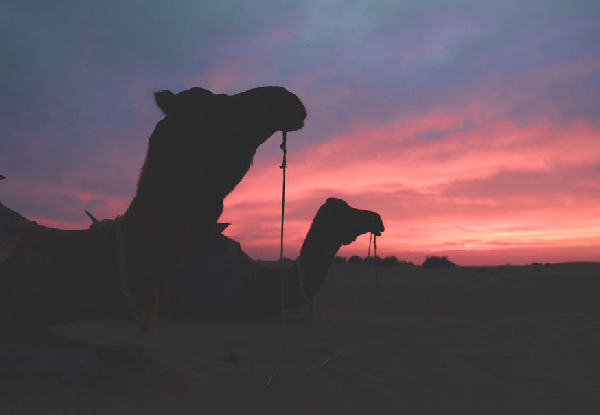
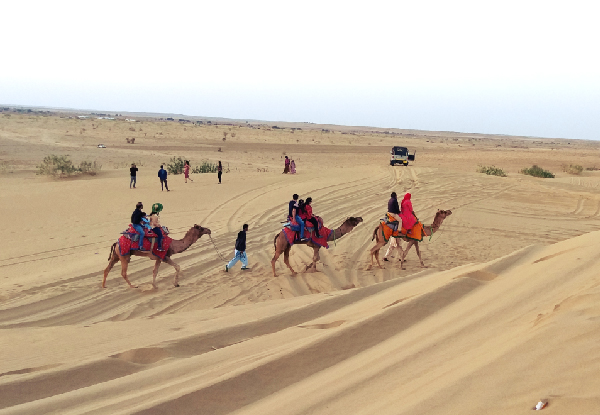
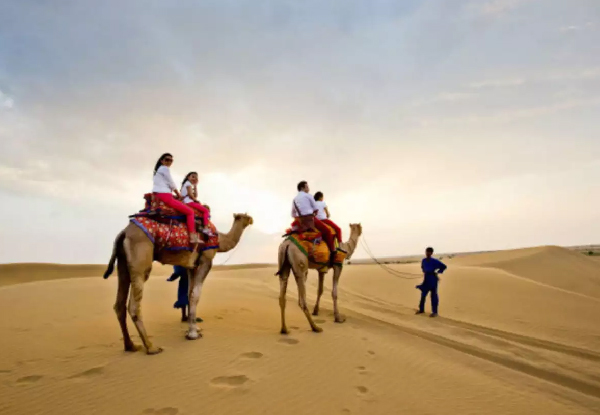
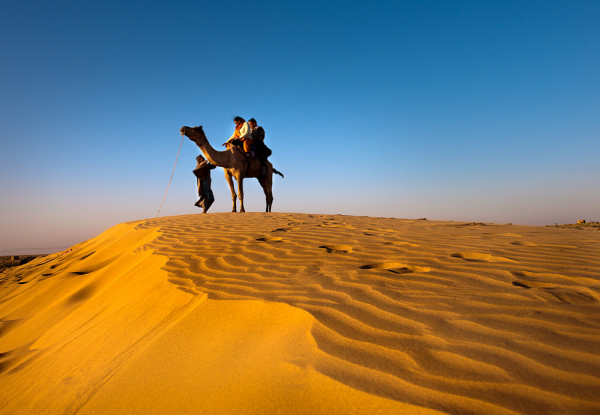
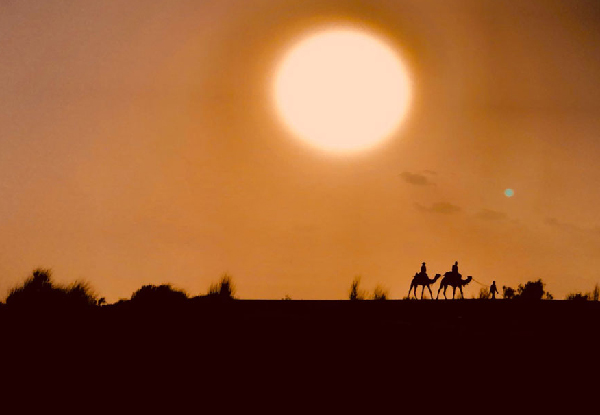
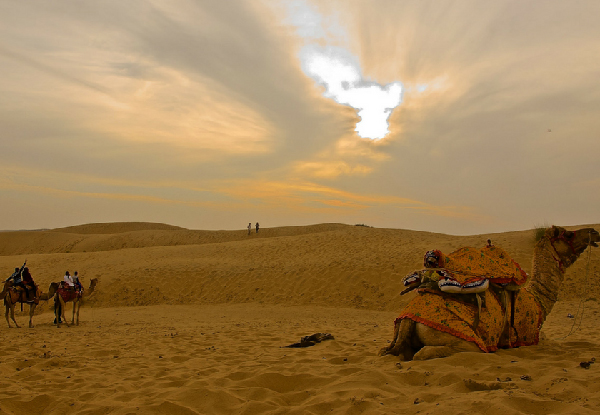
At Sam Sand Dunes, golden ridges rise and fall under shifting sunlight. Camel rides at sunset offer a slow, rhythmic journey across soft sands, while jeep safaris provide a more thrilling dune-crossing experience.
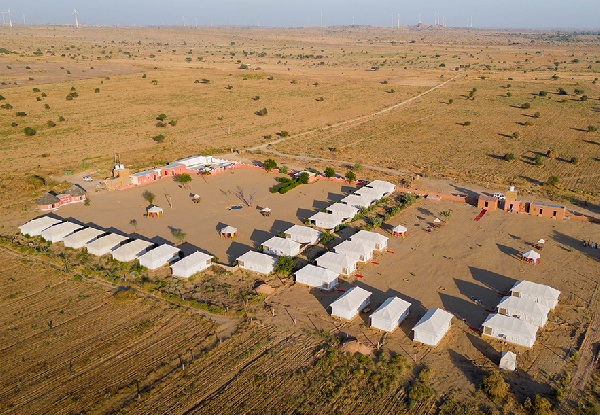
Evenings in the desert camps feature traditional Rajasthani cultural performances, including Kalbelia dance and folk music around a bonfire. The combination of music, starlit skies, and desert breeze creates an unforgettable atmosphere.
Overnight camping allows travelers to witness the calm beauty of the desert night. The contrast between historic fort architecture and endless dunes encapsulates the essence of Jaisalmer travel — where history meets wilderness.
Best Time to Visit Jaisalmer
The cooler months provide the most comfortable conditions for exploring tourist attractions in Jaisalmer Rajasthan. Mild daytime temperatures allow relaxed sightseeing of forts, havelis, and lakes.
Early mornings and late afternoons are ideal for monument visits due to softer sunlight and reduced heat. These hours also provide excellent lighting for photography.
Desert nights can become unexpectedly cold, particularly during overnight safari experiences. Warm clothing is advisable for those staying in camps.
Planning your trip during favorable weather ensures that both heritage exploration and desert adventures can be enjoyed comfortably and safely.
Why Jaisalmer Remains a Top Tourist Destination
Jaisalmer is not simply a city of monuments. It represents resilience in a desert environment. It reflects trade history, Rajput valor, spiritual devotion, and artistic excellence.
The seamless blending of architecture with desert landscape makes it visually unique. The living fort concept adds authenticity rarely found elsewhere.
For travelers seeking heritage, culture, adventure, and photography, Jaisalmer Rajasthan tourist attractions offer an all-in-one experience.
Plan Your Jaisalmer Experience
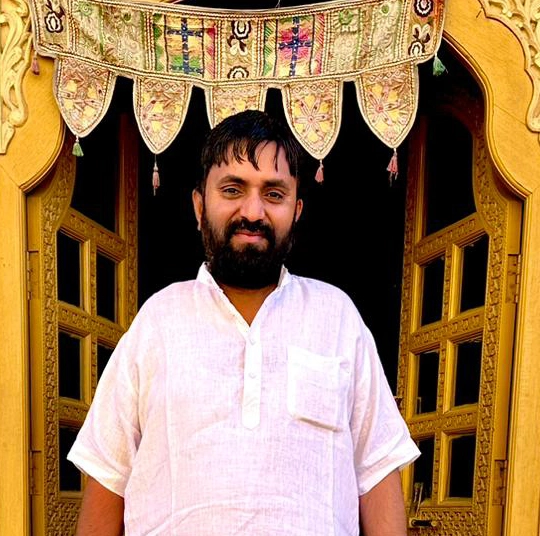
If you are planning to explore Jaisalmer Fort, heritage havelis, desert safari, or a complete sightseeing tour, you can directly connect with Sawai Dan for authentic desert hospitality and guided experiences.
For bookings and inquiries, you may call or WhatsApp on: +91-8769424955
Experience the Golden City not just as a traveler, but as a witness to centuries of desert royalty and living heritage.