Some Interesting Facts About Jaisalmer
Overview
Jaisalmer is often described as the Golden City of India, but beyond its beautiful forts and sand dunes lies a deeper story that many travellers never fully explore. While most visitors come for a Jaisalmer desert safari or to admire the architecture, the city holds layers of history, culture, and unique characteristics that make it far more fascinating than it appears at first glance.
Understanding these interesting facts about Jaisalmer not only enhances your travel experience but also allows you to connect with the destination in a more meaningful way. From its strategic location in the Thar Desert to its rare living fort and unique lifestyle, Jaisalmer is filled with details that are often overlooked.
Jaisalmer is One of the Very Few Living Fort Cities in the World
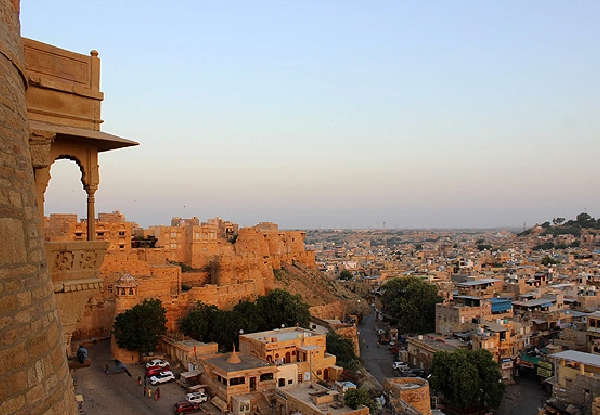
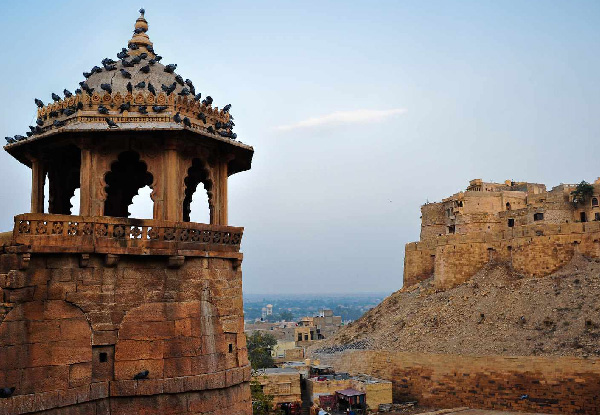
One of the most extraordinary facts about Jaisalmer is that its fort is not just a preserved monument but a functioning urban settlement. The Jaisalmer Fort, also known as Sonar Quila, stands as one of the rare living forts globally where thousands of people continue to reside within its walls even today. Unlike other forts that have been converted into museums or tourist-only zones, this fort breathes life through its residents, businesses, and daily activities.
The fort is essentially a self-sustained ecosystem. Inside its narrow sandstone lanes, you will find traditional homes, temples, small cafés, handicraft shops, and local markets. The presence of this active lifestyle transforms the fort into a living heritage site where history is not frozen in time but continues to evolve.
From an architectural perspective, the fort was designed not only for defence but also for community living. The layout allows for natural ventilation, shaded pathways, and compact living spaces that are well adapted to desert conditions. This makes it a remarkable example of sustainable urban planning from centuries ago.
For travellers, this creates a deeply immersive experience. Walking through the fort feels less like visiting a monument and more like entering a living historical world where every corner tells a story. This rare combination of heritage and daily life is what truly differentiates Jaisalmer from other destinations.
Discover the Secrets of the Golden City
Jaisalmer, famously known as the Golden City of Rajasthan, is full of fascinating stories, rich history, and unique desert charm.
The Golden Colour of Jaisalmer is Not Artificial
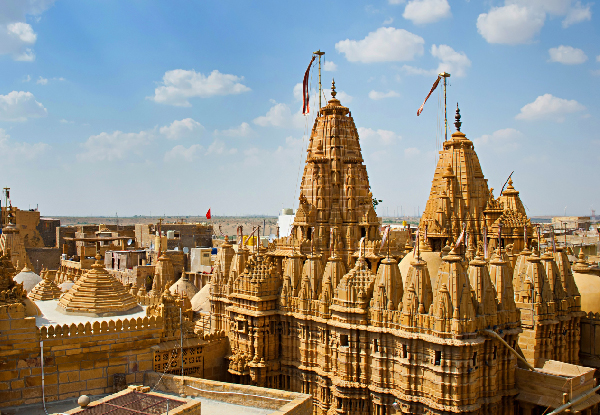
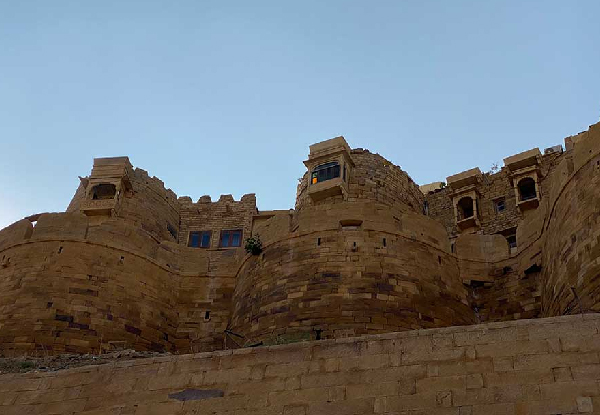
The identity of Jaisalmer as the Golden City comes from a completely natural phenomenon rather than artificial design. The city is constructed primarily from yellow sandstone, a material that reacts uniquely to sunlight. As the sun rises and sets, the structures absorb and reflect light in a way that creates a glowing golden appearance.
This effect is especially visible during early morning and evening hours when the angle of sunlight enhances the texture of the stone. The fort, havelis, and even smaller buildings appear illuminated, almost as if the city itself is radiating light.
Beyond aesthetics, the choice of sandstone was highly practical. The material has natural insulating properties that help regulate temperature inside buildings. During the day, it absorbs heat slowly, and at night, it releases it gradually, making interiors more comfortable in extreme desert conditions.
This intelligent use of locally available materials reflects the advanced understanding of climate-responsive architecture by ancient builders. It shows that the beauty of Jaisalmer is not just visual but deeply functional.
Jaisalmer Was Once a Major Trade Route Hub
Jaisalmer’s location in the Thar Desert may seem remote today, but historically, it was one of the most strategically important trade centres in the region. The city lay along ancient trade routes that connected India with Central Asia, Persia, and even parts of the Middle East.
Caravans carrying silk, spices, precious stones, and textiles would pass through Jaisalmer, turning it into a thriving commercial hub. The wealth generated through this trade is evident in the grand havelis built by merchant families. These structures are not just residences but symbols of economic power and social status.
Buildings such as Patwon Ki Haveli and Nathmal Ki Haveli showcase intricate carvings that reflect both artistic excellence and financial prosperity. The level of detail in these structures indicates the importance of craftsmanship during that era.
This trade-based economy also influenced the cultural diversity of Jaisalmer. The city became a meeting point for different cultures, ideas, and traditions, which contributed to its unique identity. Understanding this background helps explain why Jaisalmer developed such rich architecture despite its desert location.
Was Jaisalmer Once Under the Sea? (Geological Reality)
One of the most fascinating and lesser-known facts about Jaisalmer is its connection to ancient geological history. Scientific studies suggest that large parts of the Thar Desert, including Jaisalmer, were once submerged under a prehistoric sea millions of years ago.
Evidence of this can still be found in the form of marine fossils discovered in and around the region. These fossils include shells and other remnants of marine life, indicating that the area was once part of an oceanic environment. The presence of such fossils in a desert landscape creates a striking contrast and adds to the mystery of the region.
The transformation from a seabed to a desert landscape occurred due to tectonic shifts and climatic changes over millions of years. This geological evolution makes Jaisalmer not just a historical destination but also a site of scientific interest.
For travellers, this fact adds a deeper layer of curiosity. Standing on the dunes of the Thar Desert, you are essentially walking on land that was once underwater, making the experience even more surreal.
The Thar Desert Around Jaisalmer is Not Completely Barren
The common perception of deserts as lifeless spaces does not apply fully to Jaisalmer. The Thar Desert ecosystem is surprisingly active and supports a wide range of life forms that have adapted to extreme conditions.
Flora in the region includes hardy plants that require minimal water and can survive high temperatures. These plants play a crucial role in stabilising sand dunes and supporting the ecosystem. During periods of rainfall, even if limited, the desert can show patches of greenery that transform its appearance.
Fauna in the region includes desert foxes, chinkaras, reptiles, and a variety of bird species. Migratory birds often visit nearby water bodies such as Gadisar Lake, especially during cooler months. This adds a dynamic element to the desert environment.
Understanding this biodiversity changes the narrative of the desert. It is not empty but resilient, showcasing how life adapts and thrives even in the harshest conditions.
Jaisalmer Has Its Own Unique Water Conservation System
Water management has always been a critical challenge in desert regions, and Jaisalmer developed advanced systems to address this issue. Gadisar Lake is one of the most prominent examples of traditional water conservation.
Constructed as a rainwater reservoir, the lake was designed to collect and store water for the city. Its strategic placement and architectural design ensured efficient water management. The surrounding temples and structures also indicate the cultural importance of water in the region.
In addition to lakes, stepwells and underground storage systems were used to maximise water retention. These methods allowed the city to sustain itself despite limited rainfall.
This reflects a deep understanding of environmental challenges and showcases how traditional knowledge can provide sustainable solutions even today.
Desert Nights in Jaisalmer Offer One of the Clearest Skies in India
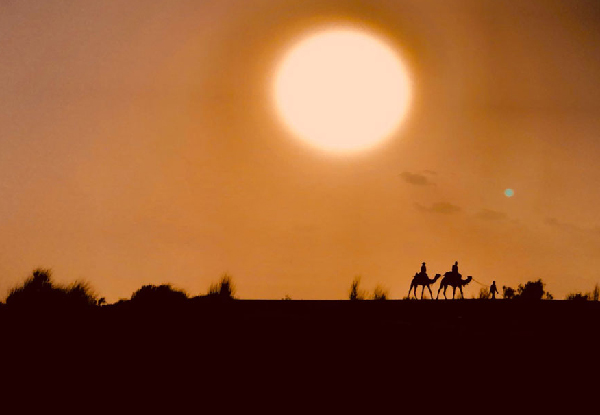
One of the most magical aspects of Jaisalmer is its night sky. Due to minimal pollution and limited artificial lighting, the desert provides one of the clearest views of stars in India.
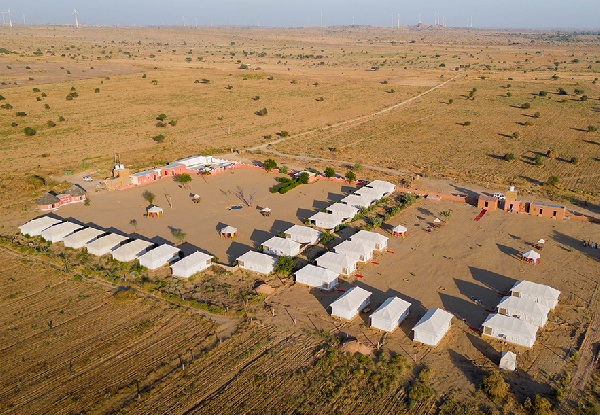
During a Jaisalmer desert camping experience, the sky appears incredibly vast, filled with stars that are often not visible in urban areas. The absence of noise and light pollution enhances this experience, creating a peaceful and almost meditative environment.
This natural phenomenon is not just visually appealing but also emotionally impactful. It allows travellers to disconnect from modern distractions and connect with nature in a profound way.
Interesting Facts About the Golden City
Jaisalmer, the Golden City of Rajasthan, is not just about sand dunes and forts—it is a place filled with unique stories and lesser-known facts.
Ghost Villages and Haunted Legends Around Jaisalmer
Jaisalmer is also known for its mysterious side, particularly through places like Kuldhara Village, which is often referred to as a ghost village. According to local legends, this village was abandoned overnight by its residents centuries ago.
The story suggests that the villagers left due to oppression from a powerful ruler, choosing to abandon their homes rather than surrender their dignity. It is believed that they cursed the land before leaving, and since then, the village has remained uninhabited. Today, Kuldhara stands as a collection of ruins that attract visitors interested in history and mystery. While there is no scientific proof of paranormal activity, the atmosphere of the place, especially during evening hours, creates a sense of intrigue.
These stories add a different dimension to Jaisalmer, combining history with folklore and making the destination even more fascinating.
Jaisalmer is Close to the India-Pakistan Border
Jaisalmer’s proximity to the international border gives it strategic importance beyond tourism. Locations such as Tanot Mata Temple and Longewala are associated with historical military events and attract visitors interested in India’s defence history.
These sites provide insight into the region’s role in national security and add depth to the travel experience. Visiting these places offers a perspective that goes beyond typical sightseeing.
Camel Safari is a Cultural Legacy, Not Just an Activity
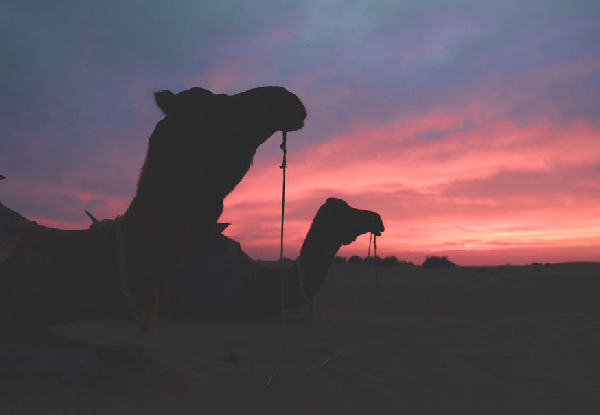
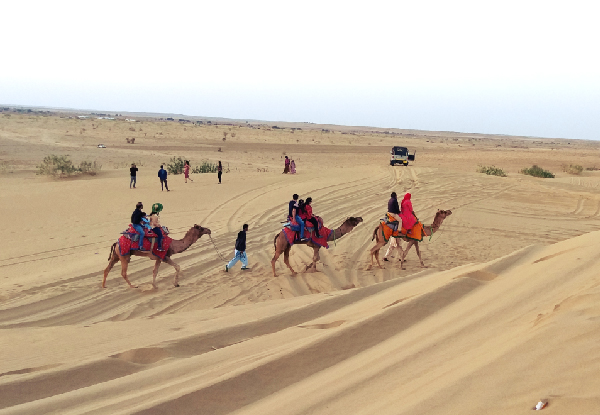
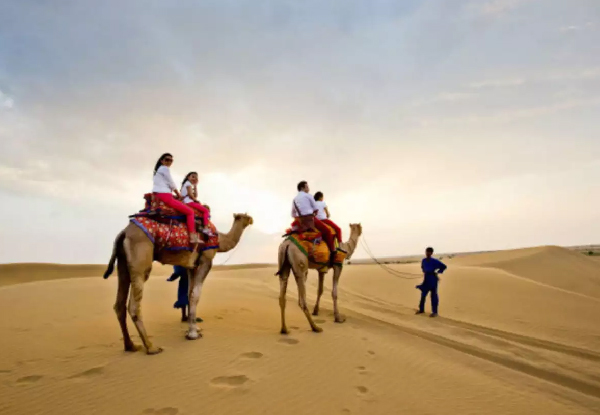
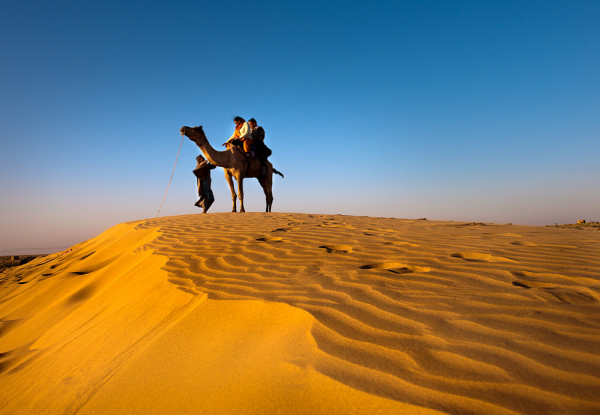
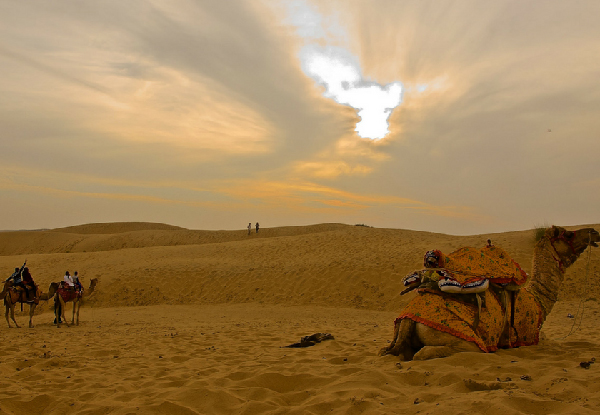
The camel safari in Jaisalmer is deeply rooted in the lifestyle of desert communities. Camels have historically been essential for transportation, trade, and survival in the desert.
The safari experience reflects this heritage, allowing travellers to understand how people adapted to the environment. It is not just an activity designed for tourists but a continuation of traditional practices.
This cultural authenticity is what makes the experience meaningful and memorable.