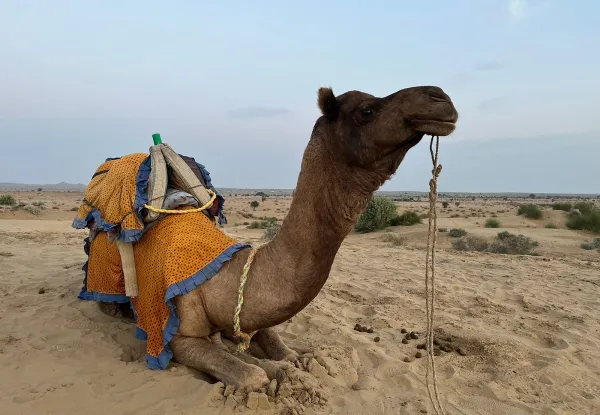
Camel Culture of Rajasthan: Why Camels Are Central to Jaisalmer's Identity & Economy
Overview
Before roads, railways and trucks reached the Thar Desert, everything that moved across it travelled on a camel. Grain, salt, silk, spices, opium, water, brides, soldiers and messages all depended on these animals, and the city of Jaisalmer grew rich because caravans stopped at its gates. Today the camel culture of Rajasthan survives in herding families, desert fairs, border patrols, camel milk dairies and, increasingly, in tourism. This guide explains why camels matter so much to Jaisalmer, which breeds live here, how herding families work, why camel numbers have fallen and how visitors can ride camels in a way that supports both the animals and the people who care for them.
Camels and the Thar: Trade, Defence and Survival
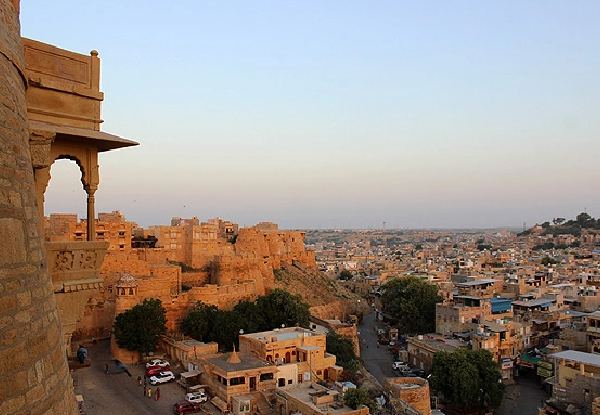
Jaisalmer was founded in the twelfth century on a ridge called Trikuta, and its wealth came largely from its position on caravan routes linking India with Persia, Arabia and Central Asia through Sindh and Multan. Merchants loaded camels with textiles, spices and indigo heading west, and returned with dry fruits, horses and luxury goods. The carved havelis of Jaisalmer, including the famous Patwon Ki Haveli, were built by trading families whose fortunes depended on these caravans. Without the Rajasthan camel, which could walk for days between wells carrying heavy loads, that trade could not have existed.
The camel's body is built for the desert. It can lose a large share of its body water without danger, drink well over 100 litres in a short time when water is found, and close its nostrils against blowing sand. Long eyelashes and a double row of lashes protect its eyes, broad padded feet spread its weight on soft sand, and its hump stores fat that provides energy during long treks between grazing areas. Camels also tolerate thorny plants and salty shrubs that other livestock refuse, which makes them uniquely suited to the sparse vegetation of the Thar.
Camels also played a military role. The princely state of Bikaner raised a famous camel corps that served in campaigns abroad, and camel-mounted forces patrolled the western frontier for centuries. Today, the Border Security Force still keeps camel units along the India-Pakistan border in Rajasthan, where soft dunes make vehicle patrols difficult. The BSF camel contingent, with its decorated animals and mounted band, is one of the most admired displays in the Republic Day parade in New Delhi every January. Near Jaisalmer, you may still see BSF camel patrols on the roads to Tanot and Longewala.
In village life, the camel was a family's truck, plough and bank account. Farmers used camels to plough sandy fields before the monsoon, draw water from deep wells, carry harvests to market and pull carts loaded with fodder, firewood and building materials. Camel dung served as fuel, camel hair was spun into ropes and rugs, and camel leather made bags and water containers. A family with several good camels was considered secure. Even today, in remote villages around Jaisalmer, camel carts carry water tanks and goods along sand tracks where vehicles struggle.
That deep history explains why the camel is the state animal of Rajasthan and why its image appears everywhere, from government logos to wedding decorations. Folk songs sung by Manganiyar musicians at desert camps often tell stories of camels carrying lovers across the dunes, and Rajasthani paintings show camels in royal processions. For Jaisalmer, the camel is not just an animal but a symbol of endurance, trade and the desert way of life.
Experience the Living Culture of the Desert
Experience the living culture of Rajasthan's desert communities. Explore the camel's role in transport, livelihoods and tradition, and make your Jaisalmer journey more meaningful with an authentic desert experience and care.
WhatsApp Now Contact Us
Breeds, Herding Families and Daily Life
Rajasthan has several recognised camel breeds, each suited to different work. The Jaisalmeri camel is lighter and faster, known as a fine riding animal, and was traditionally valued for long-distance travel and racing. The Bikaneri camel is heavier and stronger, preferred for carrying loads and pulling carts. The Marwari camel, common around Jodhpur and Barmer, is a hardy all-round animal, while the Mewari breed from the hillier southern areas can handle rocky ground. National research on camel breeding, milk and health is carried out at the National Research Centre on Camel in Bikaner, which also runs a visitor centre and dairy.
Camel herding in western Rajasthan has long been the work of specific pastoral communities, most famously the Raika, also known as Rebari, who have bred and cared for camels for generations. Herders move with their animals across seasonal grazing routes, walking long distances in search of fodder, especially after the monsoon when desert plants turn green. Their knowledge of grazing land, water sources, camel illnesses and breeding is passed down orally. Many herders can recognise individual camels in a herd of a hundred by their gait, colour and markings.
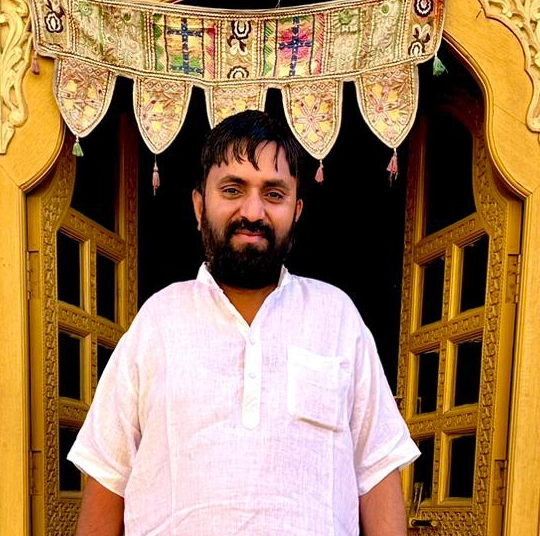
Sawai Dan, the founder of Real Desert Man Camel Safari, comes from a long line of camel men in a desert village near Jaisalmer. He grew up with camels as part of the household, learning to ride, load, feed and treat them before he learned much else. Many of the camel handlers on our team, some with more than thirty years of experience, come from similar backgrounds. Guests often say that the conversations with these handlers about camel names, temperament, food and care are among the most interesting moments of their safari.
Daily care for a working camel follows a clear rhythm. Camels graze in the early morning and late afternoon, rest in the shade during the hottest hours and drink when water is available, usually once a day in summer and less often in winter. Their diet includes desert shrubs, tree leaves, dry fodder and grains, and a well-fed adult camel eats roughly 20 to 30 kilograms of fodder a day. Owners decorate their animals with woven saddle blankets, brass bells, beaded necklaces and patterns clipped into the fur, especially before fairs and festivals.
The camel calendar peaks at the great fairs. The Pushkar Camel Fair, held around the full moon of the Hindu month of Kartik in October or November, brings tens of thousands of camels and traders to the holy town. The Bikaner Camel Festival in January features decorated camels, dances and races. The Jaisalmer Desert Festival, held around the full moon in February, includes camel races, camel polo, decorated camel parades and the Mr Desert contest. These events remain important trading points for herders and spectacular occasions for visitors.
The Camel Economy Today: Decline, Milk and Tourism
Camel numbers in India have fallen sharply over recent decades. National livestock counts show the camel population dropping by well over a third between survey cycles, to around 250,000 animals across India, the large majority in Rajasthan. Several factors drive the decline: tractors and trucks have replaced camels in farming and transport, grazing land has shrunk with irrigation canals and industry, and the costs of feeding and caring for camels have risen. Legal restrictions on moving camels out of the state for sale, introduced with the aim of protecting them, also reduced the market value of the animals and made herding less profitable for many families.
New sources of income are slowly changing the picture. Camel milk has gained attention for its nutritional profile, with lower fat than cow milk and a slightly salty taste, and is now sold in dairies, ice creams, chocolates and skincare products. Camel milk sells for about Rs.200 to Rs.400 per litre in organised dairies, far more than cow milk, though supply chains remain small. Camel wool is woven into rugs and shawls, and camel leather and bone are used in handicrafts sold in Jaisalmer's markets, from bags to carved jewellery boxes.
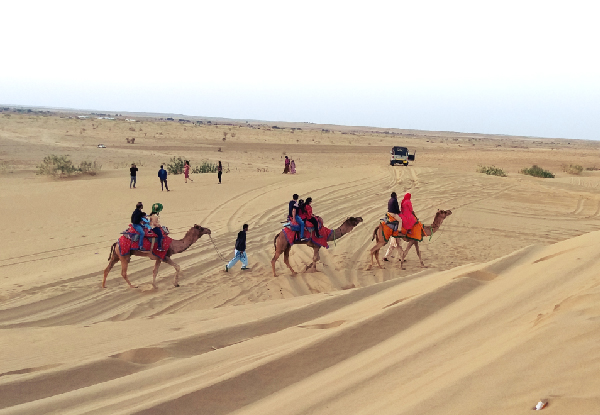
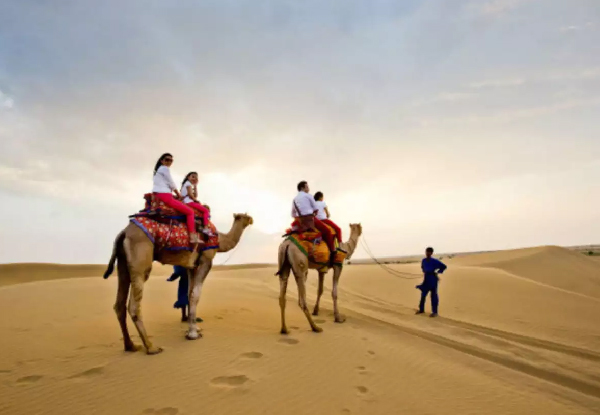
Camel safari tourism is now one of the most important sources of income for camel owners around Jaisalmer. A camel used for tourist rides earns money every day during the season from October to March, supporting the owner's family and paying for fodder and veterinary care. A healthy riding camel in the Jaisalmer area can cost roughly Rs.40,000 to Rs.1,00,000 or more depending on breed, age and training, and its daily feed and care cost several hundred rupees. Responsible tourism helps make keeping camels financially worthwhile for families who might otherwise sell them.
Tourism also brings jobs beyond camel ownership. Camel handlers, cooks, drivers, camp helpers and musicians all earn from desert safaris, and many come from the same villages where herding traditions are strongest. Real Desert Man Camel Safari employs staff from nearby villages and directs part of its profits to camel drivers' families and village needs such as clothing and education. This model links the survival of camel culture directly to visitor spending, which gives each safari booking a practical value beyond the experience itself.
The challenge is quality. Not every operator treats camels well. Overloading, long rides in midday heat, poor feeding and lack of veterinary care harm animals and damage the reputation of camel tourism. Choosing operators who prioritise camel welfare protects both the animals and the long-term future of the culture you come to see.
Explore the Heritage Behind Every Camel
From pastoral traditions to desert journeys, camels are part of Rajasthan's identity. Explore their cultural significance and discover a more memorable way to experience the landscapes around Jaisalmer with local insight.
WhatsApp Now Contact Us
Riding Camels Responsibly in Jaisalmer
Responsible camel riding starts with timing. Good operators run camel rides in the late afternoon and early morning, avoiding the hottest hours between roughly 11:30 AM and 3:30 PM, when animals rest in shade. On longer trips such as the three-day deep desert safari, the group stops for lunch under trees during midday and rides again when the heat eases. Camels should have regular access to water, fodder and rest, and should never be pushed to run for tourist entertainment or carry more than one adult at a time.
Weight and fitness matter. A healthy riding camel can comfortably carry one adult, or one adult with a small child, along with a saddle. Riders over roughly 100 kilograms should mention it when booking, so the team can assign a larger, stronger animal or suggest a shorter route. Look for camels with a healthy coat, clean saddle area without sores, bright eyes and steady gait. Saddles should be padded with blankets and checked before every ride. If you notice wounds, limping or signs of distress, raise it with the operator immediately.
Real Desert Man Camel Safari has written down its approach on the camel welfare in Jaisalmer page. Our camels are owned and cared for by families who depend on them, ride in limited daily sessions, rest during the hottest part of the day and receive regular feeding and veterinary attention. Guests who prefer not to ride can walk alongside the camels, as several reviewers have chosen to do, and still enjoy the full desert experience. Children can ride with a parent or handler at a slow pace.
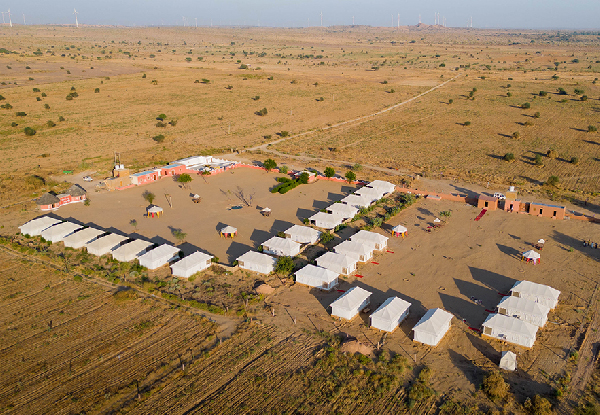
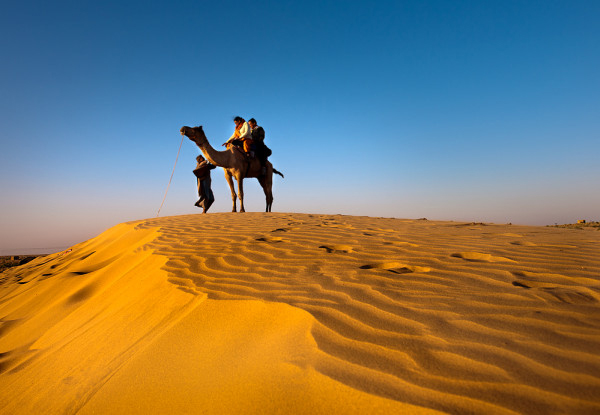
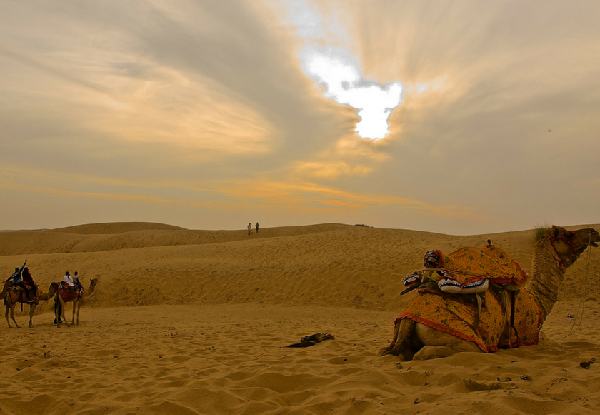
The best way to appreciate camel culture is to spend real time with camels and their handlers. Our overnight camel safari, priced at Rs.2,500 plus tax per adult on two-sharing, includes about one and a half hours of riding to the sleeping dunes at sunset and a shorter ride in the morning, with time to watch the camels being unsaddled, fed and settled for the night. The two-night desert life package at Rs.4,500 plus tax adds a full day moving between villages by camel, with lunch in the shade and conversations with herding families along the way.
Small gestures make a difference. Tip the camel handler directly at the end of the ride, ask questions about the camel's name and history, follow instructions when mounting and dismounting, and never feed camels sugary snacks or plastic-wrapped food. Share honest reviews about how camels were treated, which helps other travellers choose well. When visitors reward good care, camel families have every reason to keep their animals, their skills and their culture alive in the Thar.