Jaisalmer Desert Safari with Vegetarian & Jain Food: Private Camp Dining Packages
Overview
For many Indian families and an increasing number of international travellers, food decides whether a holiday feels comfortable. Strict vegetarians want kitchens that never cook meat, and Jain travellers need meals without onion, garlic or root vegetables, sometimes served before sunset. In a remote desert camp, those needs can feel hard to guarantee. The good news is that Jaisalmer is one of the easiest places in India to eat this way, and a well-organised operator can deliver it even on open dunes far from any town. This guide explains how vegetarian and Jain food on a Jaisalmer desert safari works, what dishes you can expect, how private camp dining is arranged, what it costs and how to request it clearly when you book.
Why Jaisalmer Suits Vegetarian and Jain Travellers
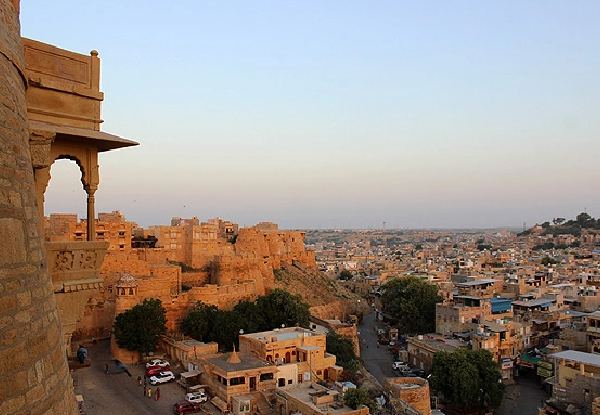
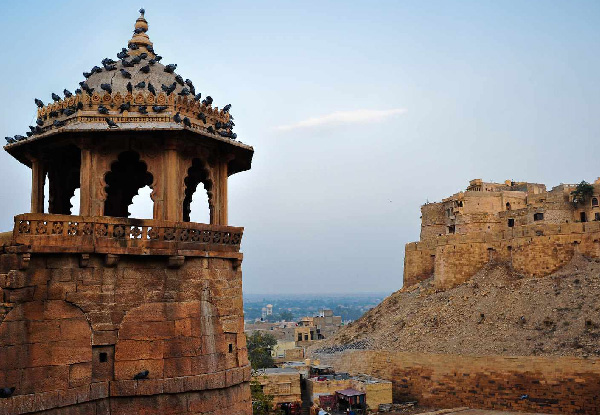
Jaisalmer has deep Jain roots. The group of seven Jain temples inside Jaisalmer Fort, built between roughly the twelfth and sixteenth centuries, is among the finest examples of Jain temple architecture in western India, with intricately carved yellow sandstone pillars, ceilings and images of the Tirthankaras. A few kilometres outside the city, the beautifully restored Jain temple at Lodurva draws pilgrims throughout the year. Wealthy Jain merchant families also built several of the city's grand havelis, and their influence shaped local cuisine and hospitality.
Because of this heritage, pure vegetarian food in Jaisalmer is the norm rather than the exception. Many restaurants in the old city and near the fort serve no meat or eggs at all, and several follow Jain cooking practices on request. Sweet shops and snack stalls are overwhelmingly vegetarian. Most desert camps, including Real Desert Man's luxury camps, serve pure vegetarian buffets as standard, and non-vegetarian food on our trips is prepared only on request with separate handling. Vegetarian travellers rarely need to ask twice.
Rajasthani desert cooking itself suits vegetarian and Jain diets. Centuries of scarce water and limited fresh produce led cooks to rely on lentils, gram flour, millet, buttermilk, dried desert beans and berries, and spices that keep well. Many classic desert dishes contain no onion or garlic in their traditional forms, which means Jain versions can be made without losing authenticity. Dishes such as gatte curry, made from steamed gram flour dumplings in yoghurt gravy, kadhi, a yoghurt and gram flour curry, and Ker Sangri, a tangy curry of dried khejri tree beans and desert berries, work naturally for Jain menus.
Pilgrims and families visiting the Jain temples often combine their religious visit with a desert experience, which means local camps and kitchens are used to Jain requests. Our cooks have prepared Jain meals for families from Gujarat, Mumbai, Rajasthan and abroad for years, and know the difference between a meal with "no onion and garlic" and a fully Jain meal that also avoids potatoes, carrots, radishes, beetroot and other root vegetables. Clear communication before arrival is still essential, but the base knowledge is already there.
The Jain temples in the fort are generally open to visitors in the morning, roughly until noon or early afternoon, with a separate entry and camera fee for tourists. Visitors must remove shoes and leave leather items such as belts and wallets outside, and modest clothing is required. Visiting the temples in the morning and leaving for the dunes in the afternoon fits neatly into a desert safari day.
Explore Jaisalmer with Peace of Mind
Your food preferences should never limit your travel experiences. Discover Jaisalmer's desert beauty with vegetarian and Jain food arrangements for a more enjoyable and thoughtful getaway.
WhatsApp Now Contact Us
What Jain Food Means on a Desert Safari
Jain food follows principles of non-violence that shape what is eaten and when. Traditional Jain diets exclude meat, fish, eggs and honey, along with root vegetables such as onion, garlic, potato, carrot, radish, beetroot and ginger in fresh form, because harvesting them destroys the whole plant and the many tiny organisms living in the soil around it. Many Jains also avoid eating after sunset, and some observe additional restrictions on certain days of the lunar calendar, such as avoiding green vegetables. Practices vary between families, so the best approach is to tell the kitchen exactly what your family follows.
Cooking for Jain guests in the desert requires a few adjustments. Our cooks use separate utensils and cooking vessels for Jain meals when requested, prepare fresh food rather than reheating, and avoid onion, garlic, potato and other restricted ingredients entirely in Jain dishes. Dried ginger powder, asafoetida, cumin, coriander, red chilli, turmeric and fresh tomatoes give flavour instead. Water is boiled or filtered, and Jain guests who prefer boiled water only can request it in advance so it is ready at camp.
Sunset dinners are one of the most important adjustments. On a standard overnight safari, dinner is served after sunset, once the camel ride ends and the fire is lit. For Jain guests who do not eat after dark, the team can serve dinner early, right after reaching the dunes and before sunset, timed by the season. In December and January, when sunset in Jaisalmer falls around 5:45 to 6:00 PM, that means eating around 5:00 PM, which the cooks prepare for by starting preparation earlier at camp. Breakfast the next morning follows after sunrise.
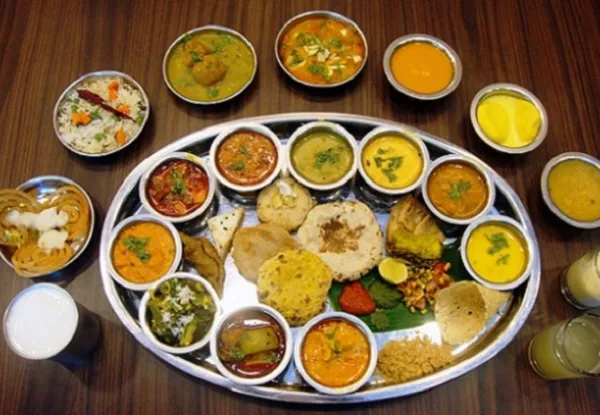
A typical Jain desert dinner on our trips might include gatte curry, a yellow lentil curry, Ker Sangri, plain or cumin rice, millet or wheat flatbread baked over embers, roasted lentil wafers, and a sweet such as churma or a simple semolina pudding. A Jain breakfast could include a semolina porridge or spiced flattened rice made without onion and potato, fresh fruit, flatbread with clarified butter, and tea. These menus are adapted to each family's specific practice, so if your family avoids tomatoes, green vegetables on certain days or particular spices, mention it when you book.
Strict vegetarians who are not Jain enjoy the standard menus, which include onion and garlic but never meat or eggs unless specifically requested. Vegan guests can also be accommodated with advance notice, replacing clarified butter with vegetable oil, skipping yoghurt-based curries and using plant-based alternatives where possible. Guests with allergies to nuts, gluten or other ingredients should state them clearly when booking and again at camp.
Private Camp Dining Menus and Prices
Every Real Desert Man desert package includes meals, and vegetarian food is standard. On the overnight camel safari tour, priced at Rs.2,500 plus tax per adult on two-sharing, dinner and breakfast are cooked fresh over an open fire on the dunes, with tea and snacks on arrival. On the luxury overnight camping tour, at Rs.3,500 plus tax per adult, guests enjoy a pure vegetarian buffet dinner after a Rajasthani cultural programme, along with breakfast the next morning. Jain versions of both menus can be prepared on request at no extra charge for families booking these packages.
Private camp dining goes a step further. Instead of sharing a buffet, your family or group has a dedicated table on the dunes, a private cook and a menu designed around your preferences. Private dinner set-ups usually cost an additional Rs.2,000 to Rs.5,000 per person depending on the menu, the number of courses, decoration and group size, with candlelight arrangements, carpets, cushions and lanterns included in premium options. Couples often choose a romantic dinner with luxury stay on the dunes, while larger families prefer a private dining area beside the campfire.
A sample private Jain menu might begin with roasted lentil wafers, spiced buttermilk and a light soup made from tomatoes and lentils. Main courses could include gatte curry, Ker Sangri, kadhi, a dry dish of cabbage or capsicum, yellow lentil curry and steamed rice, served with fresh millet and wheat flatbreads made at the fire. Desserts might be churma, a rich crumbled wheat sweet, or a dry fruit semolina pudding. A non-Jain vegetarian menu adds dishes such as onion-based curries, stuffed flatbreads and seasonal vegetables.
Large groups such as Jain community tours, family reunions and pilgrimage groups can book exclusive camp arrangements with a full kitchen team, separate Jain cooking area and meal timings matched to their practice. For groups of 20 to 50 people, per-person costs for a private camp night with Jain meals typically range from Rs.3,500 to Rs.7,000 depending on tent type, transport and activities. Quotations list meals, timings and kitchen arrangements clearly so group leaders can confirm every detail with their members.
Families visiting for the Jain temples can also combine dining with a stay at The Rising Haveli, the family's sister property near the fort, where rooftop meals can be prepared to Jain standards with notice. This lets you eat consistently prepared Jain food in town and in the desert without changing kitchens or repeating instructions to different businesses.
Your Perfect Vegetarian Desert Escape
Discover Rajasthan's golden landscapes while enjoying food choices that suit your lifestyle. Make your Jaisalmer desert safari memorable with thoughtful vegetarian and Jain dining arrangements.
WhatsApp Now Contact Us
How to Request Vegetarian or Jain Meals Clearly
Clear requests make all the difference. When you contact the team, state the exact diet: pure vegetarian, vegetarian without onion and garlic, full Jain without root vegetables, Jain with no eating after sunset, vegan, or any specific allergies. Mention the number of people following each diet, since families often include members with different practices. Send these details at least 48 hours before your trip so the cooks can buy the right ingredients in Jaisalmer before leaving for the dunes.
Confirm meal timings in writing. For Jain guests who avoid eating after dark, ask the team to confirm the exact dinner time on the dunes based on the season's sunset. Check breakfast timing too, especially if your family prefers to eat only after a certain time in the morning. If you carry your own snacks, dry fruits or Jain-certified packaged food for the trip, that is completely fine, and the team will help store them at camp.
On arrival, speak briefly with the cook. Even with written instructions, a short conversation at camp confirms everything and gives you a chance to ask about specific ingredients. Our cooks are used to these discussions and welcome them. If anything served does not match your request, tell the team immediately so they can replace it. Guests' comfort with their food matters more than any schedule.
Children's meals deserve a mention too. Cooks can prepare milder versions of curries without chilli, plain rice with yellow lentils, fresh flatbreads and simple sweets for young children, and milk can be boiled at camp for toddlers. Elderly guests who need softer food or low-salt and low-sugar meals for medical reasons can request them, and diabetic-friendly menus replace sweets with fresh fruit and roasted snacks.
Bring a few practical items. A refillable bottle for boiled water, a small torch for evening meals, and any specific spices or condiments your family prefers can all help. In winter, desert evenings get cold quickly, so warm layers make early dinners outdoors much more comfortable. For families with elderly members, mention mobility needs too, so the dining area is set close to the tents.
To book, message Sawai Dan on WhatsApp at +91-8769424955 with your dates, group size, preferred package and food requirements, and the team will reply with a menu outline, meal timings and a clear price. Jaisalmer's long Jain heritage, its strong vegetarian food culture and a kitchen team experienced in these requests make it one of the most comfortable desert destinations in India for vegetarian and Jain travellers.