Jaisalmer Village Walk: A Step-by-Step Guide to Exploring Rural Rajasthan Beyond the Fort
Overview
Most visitors to Jaisalmer see the fort, the havelis and a sunset on the dunes, then leave without ever stepping inside a desert village. That is a pity, because the villages are where the Thar truly lives. Families build homes from clay and dung, store water like treasure, herd goats and camels, embroider wedding textiles and cook on wood fires much as their grandparents did. A Jaisalmer village walk gives you a few hours inside that world. This guide walks you through the process from start to finish: which villages to choose, how to get there, the right time and clothing, how to behave, what you will see at each stage of the walk, what it costs and how to join a guided village tour that benefits the families you visit.
Choosing the Right Village and Getting There
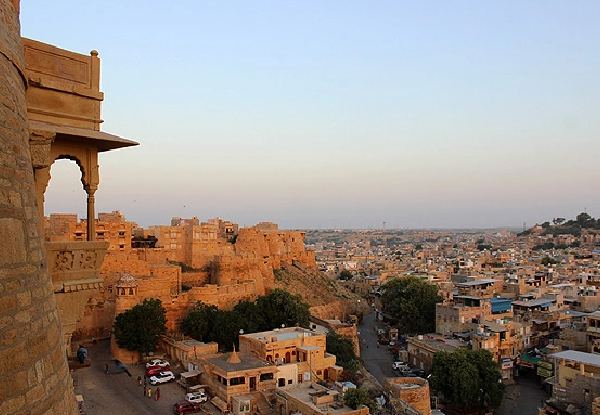
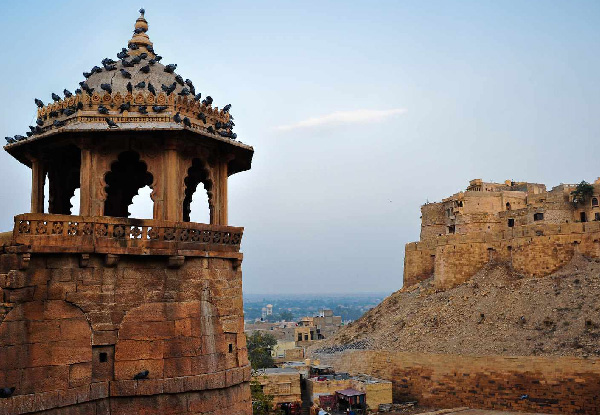
The first decision is which kind of village you want to see. Around Jaisalmer, there are three broad types. Abandoned heritage villages such as Kuldhara and Khaba, about 18 to 25 kilometres from the city, are empty stone settlements left behind by their Paliwal Brahmin residents, according to local tradition in a single night. They are fascinating to walk through, with roofless houses, temple ruins and a small museum at Khaba Fort, but nobody lives there. Entry costs a small fee per person plus a vehicle charge, and both sites are open from morning until sunset.
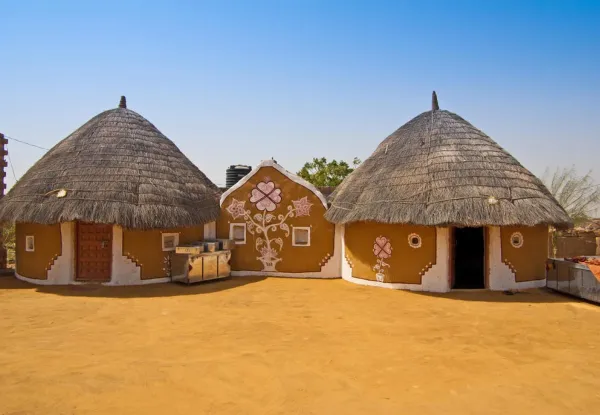
The second type is the living desert village found along the camel routes west and south of the city. These are clusters of round and square mud houses with thatched or flat roofs, surrounded by thorny fences, water tanks, livestock enclosures and small fields of millet after the rains. Families here belong to herding, farming and craft communities, and daily life follows the sun and the seasons. Villages near Khuri, along the roads to Sam and between the dune areas fall into this group. They are the best places to see real rural life, but they are also private homes, so visits should always be arranged with a guide who knows the families.
The third type is the craft and music village. Some villages near Jaisalmer are known for particular skills, such as hereditary folk music, embroidery, pottery or leatherwork. A visit to one of these villages combines a walk with demonstrations and the chance to buy directly from artisans. Our Indian musical village tour takes guests to a community of hereditary musicians, with a walk through the village, songs at a family home and a home-cooked lunch shared with the hosts.
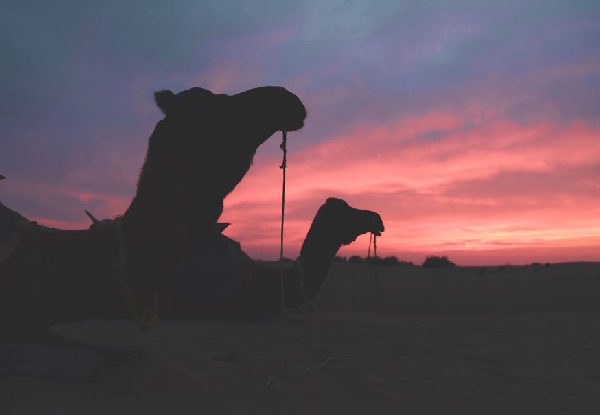
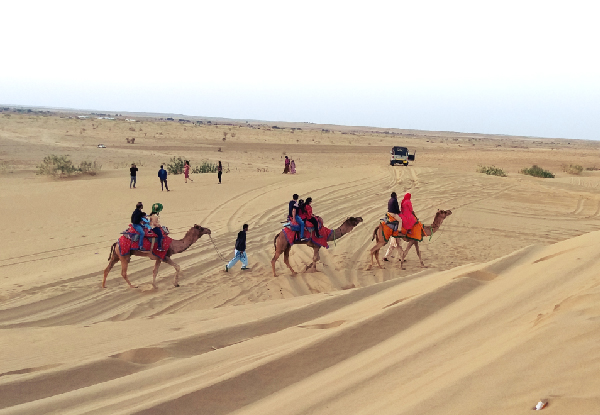
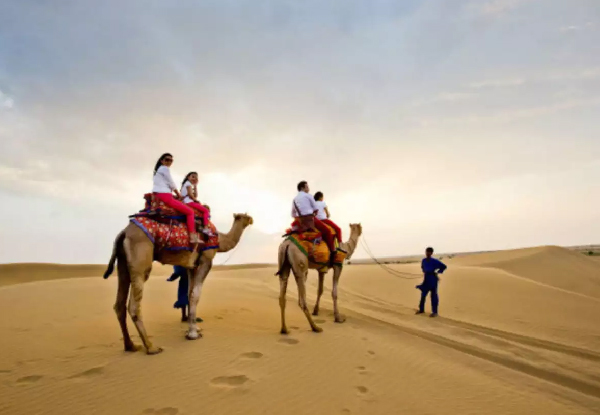
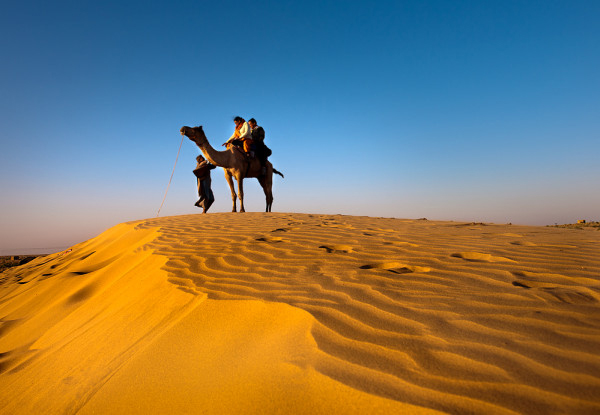
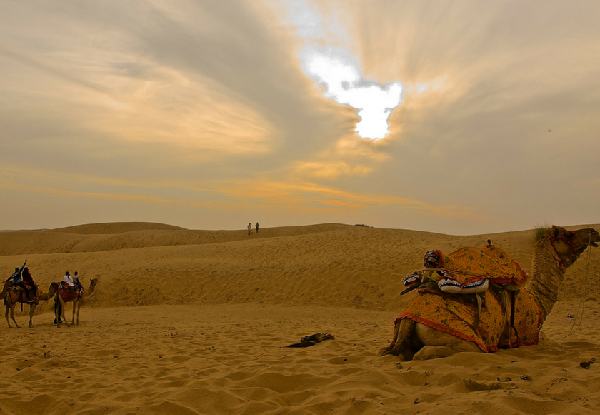
Reaching the villages requires a vehicle. Public buses pass some villages but run irregularly. A private car with driver from Jaisalmer for a half-day village circuit costs about Rs.2,000 to Rs.3,500 for a sedan and Rs.3,000 to Rs.4,500 for an SUV, depending on distance and waiting time. Jeeps are better for villages reached by sand tracks. The most natural way to visit is by camel, as part of a multi-day safari, where the village walk becomes a stop between dunes rather than a separate excursion.
Distance and time matter when combining sights. A practical half-day circuit might start at Kuldhara around 8:30 AM, continue to Khaba Fort by 10:00 AM and finish with a living village visit before lunch. Afternoon circuits work too, finishing at the dunes for sunset. Allow at least an hour in each living village, since rushing through defeats the purpose of the walk and leaves little time for conversation.
Connect with the Soul of Rajasthan
Discover the simple beauty of village life, local traditions and desert surroundings. Let Real Desert Man Safari Jaisalmer help you explore a more authentic side of Rajasthan.
WhatsApp Now Contact Us
Before You Go: Timing, Clothing, Permission and Gifts
Timing shapes the whole experience. The best hours for a village walk are from about 7:30 AM to 10:30 AM and from 4:00 PM to sunset. In the morning, you see women fetching water, men taking animals out to graze and children heading to school. In the late afternoon, herds return, cooking fires start and families sit outside in the cooler air. Midday between 11:30 AM and 3:30 PM is very hot from March onwards, and many villagers rest indoors, so walks at that time are less rewarding and harder on visitors.
Clothing should be modest and practical. Cover shoulders and knees, with loose cotton trousers or long skirts and a light shirt. Closed shoes protect your feet from thorns and hot sand, and a hat or scarf shields you from the sun. In winter mornings from December to February, temperatures can start near 5°C to 8°C, so carry a warm layer that you can remove later. Remove shoes before entering homes and courtyards when asked, and avoid wearing large amounts of expensive jewellery.
Permission is essential. Village homes are private spaces, not attractions. Always enter with a guide who knows the families, wait to be invited into courtyards and homes, and greet elders first. Ask before photographing anyone, and accept refusals with a smile. Many women prefer not to be photographed, and some will cover their faces with their veil when a camera appears. Never photograph children without a parent's agreement, and avoid photographing people bathing, praying or working in private spaces.
Gifts need thought. Handing out sweets, pens or money to children encourages begging and can create problems for families after visitors leave. Better options include buying handicrafts directly from artisans at fair prices, paying for a home-cooked meal, contributing through your guide to a village school or water project, or simply giving your time and attention. If you want to bring something, school supplies handed to a teacher or useful household items given to the family head through your guide are appropriate.
Practical items make the walk easier: a refillable water bottle, sunscreen, tissues, hand sanitiser, a small torch for evening walks and cash in small notes for purchases and tips. Mobile coverage is patchy in remote villages, so share your route with your hotel. Keep noise low, avoid smoking near homes and animals, and never touch shrines, cooking areas or water containers without permission.
What You Will See on the Walk
A typical village walk begins at the edge of the settlement, often near the village well or water tank. Water is the centre of desert life, and many villages store rainwater in covered underground tanks or large ponds dug to catch monsoon runoff. Your guide will explain how families ration water through the dry months, how camels and goats are watered, and how women traditionally carried water in brass and clay pots balanced on their heads, sometimes walking several kilometres each day before pipelines arrived.
Next comes the mud house. Desert homes are built from local clay mixed with straw and dung, plastered smooth by hand and often decorated with white or coloured patterns around the doorways. Round huts with conical thatched roofs stay cool in summer and warm in winter, while flat-roofed square rooms serve as storage and sleeping spaces. Walls are re-plastered after each monsoon, often by the women of the household. Inside, you may see neat shelves of brass vessels, folded quilts, grain storage bins made of clay and a raised sleeping platform.
The kitchen is usually a small, smoky room or an open corner of the courtyard with a clay stove fed by wood or dried dung. Women cook flatbread from pearl millet flour on iron griddles, along with lentils, buttermilk-based curries and dishes made from dried desert beans. If invited to sit, you may be offered sweet spiced tea or buttermilk, which is a sign of hospitality. Accepting a small amount is polite, even if you do not finish it.
Around the homes, you will see the livestock that sustains the family: goats, sheep, cows and often a camel or two. Herders may show you how they milk goats, feed camels with branches from the khejri tree or treat minor wounds. The khejri itself is a sacred tree in western Rajasthan, valued for its fodder, shade, firewood and edible pods, and many villages protect it fiercely. You may also pass small fields of millet, sesame or guar, sown after the monsoon and harvested in autumn.
The walk often ends with craft and conversation. Women may be stitching mirror-work embroidery or appliqué textiles in the shade, and older men may sit together discussing rain, prices and family news. Children are curious and usually follow visitors around. With a guide translating, this is the moment for real conversation about schooling, weddings, water, migration to cities and how life is changing. Many guests say these conversations, more than any monument, change how they see India.
Go Beyond the Golden City
See Jaisalmer from a different perspective with an immersive village experience. Discover traditional homes, local customs and the warmth of rural Rajasthan on your next desert getaway.
WhatsApp Now Contact Us
Guided Village Walks and Tours with Real Desert Man
Real Desert Man Camel Safari has village visits built into its longer desert trips because Sawai Dan, the founder, grew up in a desert village in a family of camel herders and keeps close ties with communities across the region. Our guides and camel handlers come from these villages, which means walks take place as visits between neighbours rather than staged tours. Families welcome guests because they know the team and benefit from the visits through meals, purchases and community support.
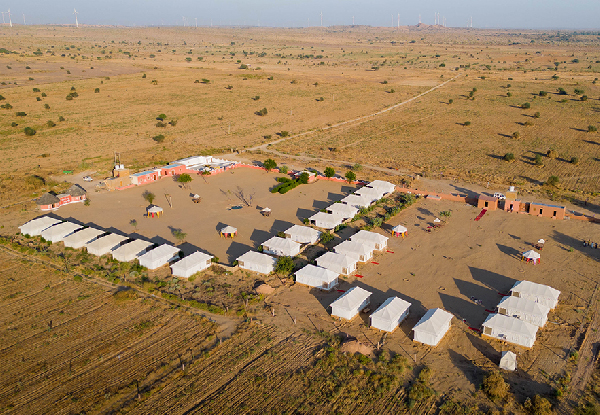
The Real Desert Adventure Safari with village tour, priced at Rs.7,200 plus tax per adult on two-sharing, runs over two nights and three days. It starts with a Kuldhara visit and a camel ride to the dunes, followed by a night under the open sky. The next morning, you ride camels to local villages, meet families, eat lunch in the shade of a tree and return to a Swiss luxury tent camp for a folk music evening and dinner. For more comfort throughout, the two-night luxury camping with village tour costs Rs.9,400 plus tax per adult.
Travellers short on time can arrange a private village walk as a half-day trip from Jaisalmer, usually costing Rs.1,500 to Rs.3,500 per person depending on group size, transport and whether lunch with a family is included. Longer trips such as the three-day deep desert safari, at Rs.5,500 plus tax, pass through several villages on camelback, with time to stop where families invite you in and nights spent on the dunes between settlements.
Responsible visits matter to us. Groups are kept small, usually under eight people per village, to avoid overwhelming families. Part of our profits supports camel drivers' families and village needs such as clothing and education, and guests are encouraged to buy crafts directly from makers. If you want to contribute to a school, water tank or medical camp, tell us before your trip, and the team will suggest a practical way to help. Guests who have funded water storage tanks, school benches and winter blankets through our team often receive photographs and updates from the village months later, which keeps the connection alive long after the trip ends.
To arrange a village walk, message Sawai Dan on WhatsApp at +91-8769424955 with your dates, group size and interests, such as embroidery, music, farming or herding. The team will suggest the best villages for that season, the right time of day and a combined route with a desert night if you have time. Village walks run from October to March in comfort, and early mornings remain possible even in warmer months.