Queer Travel in Rajasthan: A Foreign Tourist's Honest Guide to LGBTQ+ Experiences
Overview
Most guidebooks give queer travellers one cautious paragraph about India and move on. That is not much help when you are standing at a hotel desk in Jodhpur with your partner, wondering if you should ask for one bed or two. This guide is for queer foreign tourists in Rajasthan who want real answers: how people actually react, where the friction points are, which experiences feel genuinely comfortable and how much things cost. It draws on years of hosting international guests in the Thar Desert around Jaisalmer, including many gay, lesbian, bisexual, trans and non-binary visitors, and it focuses on what happens on the ground rather than on headlines.
Before You Land: Visa, Paperwork and Bookings
The first step for any foreign visitor is the India e-Tourist Visa, applied for online through the official government portal at least four days before arrival. For most nationalities, a 30-day double-entry e-visa costs US$25 from July to March and US$10 from April to June, a one-year multiple-entry visa costs about US$40, and a five-year visa ranges from US$80 to around US$200 depending on nationality, with a bank charge of roughly three percent added. The application asks for marital status and parents' names, and there is no question about sexual orientation. Married same-sex couples should simply state their status honestly; the form does not ask for spouse gender, and immigration officers rarely look beyond the passport and visa printout.
Bookings deserve more thought than usual. Choose hotels and tour operators who clearly host international guests, because their staff are used to unconventional couples and are trained to keep personal matters private. When you reserve, write a short line such as "two adults, one king bed" so the request is on record before arrival. For tours, especially overnight desert trips, message the operator directly on WhatsApp and say what you need: a private tent, beds side by side, or a dune away from other groups. Direct contact avoids awkward conversations through a middleman and gives you a name to call if anything feels off.
Packing for Rajasthan as a queer traveller is mostly about blending in respectfully. Light cotton trousers, long skirts, linen shirts and a scarf cover every temple dress code. Bright, expressive clothing is fine in Rajasthan, which is itself one of the most colourful places in the world, so there is no need to tone down your personal style in hotels, cafes or the desert. In old bazaars and religious sites, covering shoulders and knees is expected from everyone. Carry a few printed copies of your passport and visa, because hotels, camps and some monument counters ask for them.
Money and connectivity matter too. Rajasthan runs heavily on cash outside major hotels, so keep Rs.5,000 to Rs.10,000 in small notes for tips, snacks and entry tickets. An Indian SIM card from Airtel or Jio costs about Rs.500 to Rs.800 with a month of data, and requires your passport and a photograph. A working phone lets you stay in touch with your hotel and operator, call the national emergency line 112, and use maps confidently in narrow lanes.
Discover Rajasthan with Freedom, Comfort and Confidence
Explore Rajasthan through personalized private tours, welcoming heritage stays and exclusive desert experiences. Enjoy a thoughtfully planned journey where your comfort, privacy and travel preferences come first.
WhatsApp Now Contact Us
How People in Rajasthan Actually React
The phrase most queer visitors use after a week in Rajasthan is "less dramatic than I feared". Locals are curious about every foreigner, asking where you are from, if you are married and how many children you have. Those questions come from social habit, not suspicion, and a polite, vague answer such as "we are travelling together" ends the topic. Two men or two women sharing a room is read as friendship by default. Many queer couples find this invisibility frustrating in principle but restful in practice, since it removes most of the friction they feared before arrival. Small towns such as Pushkar, Bundi and Jaisalmer follow the same pattern, though questions there tend to be more persistent because fewer foreigners pass through outside the winter season.
Where reactions sharpen is around overt public affection. Kissing, long embraces or sitting on a partner's lap will draw stares and occasional comments, and in rare cases a request to stop from a security guard or temple attendant. The same applies to straight couples, so this is a general cultural rule rather than targeted hostility. Hand-holding between men is common among Indian friends, which means two men holding hands in a market usually go unnoticed. Two women holding hands is also read as friendship. Gender-nonconforming presentation attracts more stares, especially in small towns, but stares rarely turn into confrontation.
Younger, urban Indians are often openly supportive. University students in Jaipur, staff at boutique hotels and café owners in tourist areas have grown up with social media, queer cinema and the Supreme Court decriminalisation ruling, and many will happily talk about LGBTQ+ issues in India if you raise them. Older people in villages may simply not have a framework for queer identities and will default to treating you as friends travelling together. Neither group is likely to cause trouble. The challenge for a traveller is reading the setting and adjusting behaviour, not fear of violence.
Online, Indian dating apps and international apps both work in Rajasthan cities, though profile scams exist across India. Never share hotel room numbers with a new contact, meet in a busy café or bar first and avoid going to private homes on a first meeting. Fake profiles sometimes target foreigners for money, so if anyone asks for cash, a loan or a "small help" early on, block and move on. These are the same precautions you would use in any unfamiliar country, applied with a little extra care. Gay-friendly hotels in Jaipur and Udaipur are often the best source of up-to-date local advice, since their younger staff know which cafes and events are welcoming that season.
Experiences That Feel Genuinely Comfortable
Some Rajasthan experiences work especially well for queer travellers because they offer privacy, beauty and staff who are used to international guests. Heritage hotels in converted havelis are one example. A double room in a family-run haveli in Jaipur, Jodhpur or Jaisalmer costs Rs.5,000 to Rs.14,000 per night in season, and owners tend to be well travelled and discreet. Rooftop dinners, private courtyards and terrace seating give couples space that busy restaurants cannot. Palace hotels in Udaipur and Jodhpur go further, with butler service and international training, at Rs.30,000 to Rs.1,00,000 or more per night.
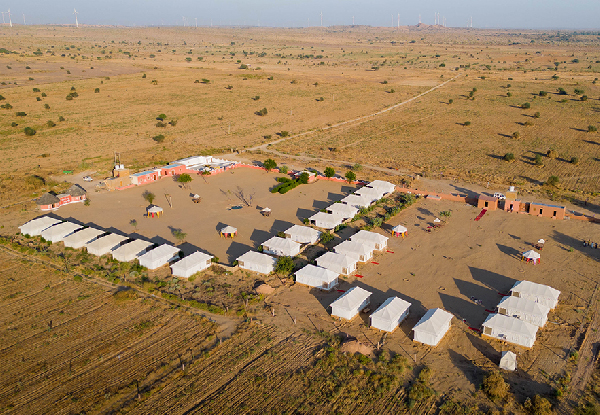
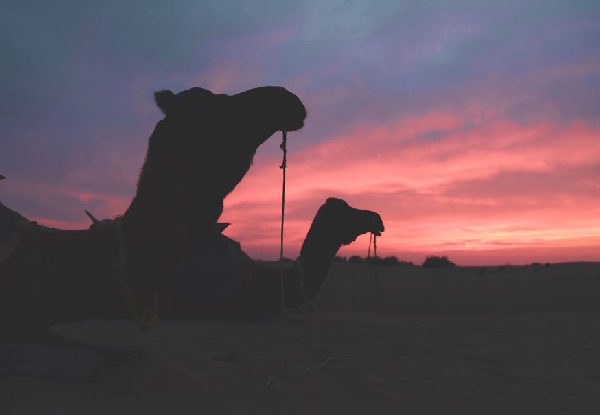
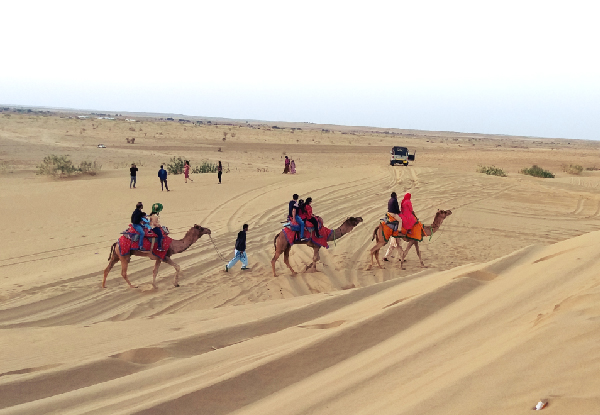
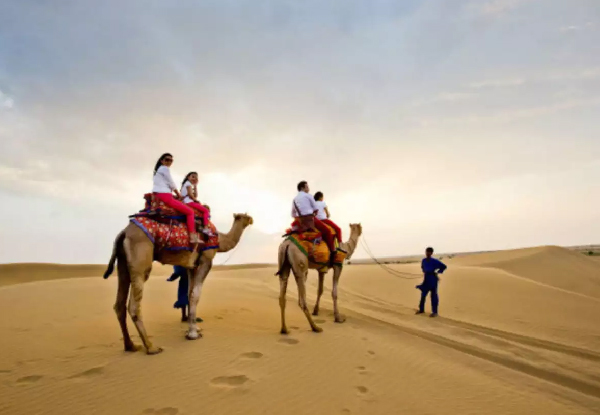
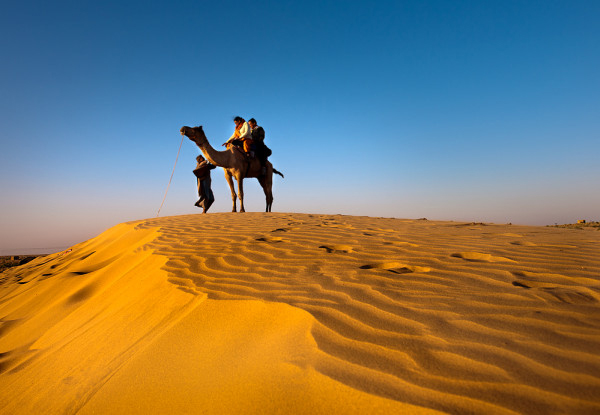
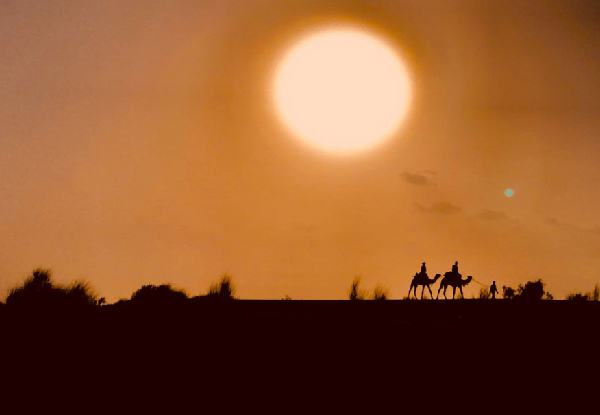
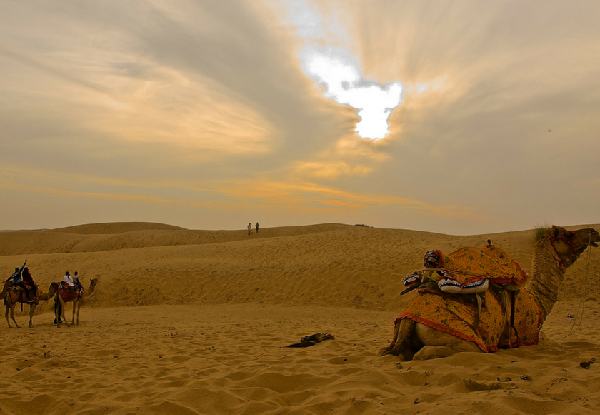
The single most comfortable experience for many queer visitors is a night in the desert away from crowds. Standard camps at Sam Sand Dunes put dozens of guests around one stage, often with loud music and large domestic groups. A private non-touristic desert safari works differently. You ride camels over quiet dunes in the late afternoon, watch sunset with nobody else in view, eat a dinner cooked over an open fire and sleep either on beds placed on the sand or in a private tent. Your camel handler and cook set up camp at a respectful distance, and there is no audience for anything you do.
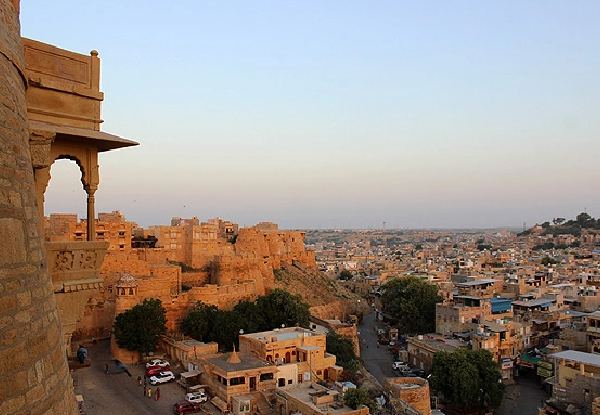
Cooking classes, private walking tours and small-group food walks also suit queer travellers well. In Jaisalmer, a guided food walk tour through the old city lanes lasts two to three hours and costs about Rs.1,500 to Rs.3,000 per person for a private guide, depending on group size and the number of tasting stops. Private guides adapt pace and route to you and handle conversations with shopkeepers, which removes much of the small talk that can feel intrusive.
Festivals are worth timing carefully. Holi in March is joyful but chaotic, with physical contact, coloured powder and occasionally drunk crowds, so many queer travellers prefer to watch from a hotel terrace. The Jaisalmer Desert Festival in February brings camel races, turban-tying contests and folk music, and is easy to enjoy from organised seating. Jaipur's annual pride walk, Queer Gulabi Pride, gives visitors a chance to meet the local community in a safe and welcoming setting.
For couples celebrating something special, private set-ups make a real difference. A romantic dinner with a luxury stay on the dunes near Jaisalmer includes a candlelit table on the sand, a dedicated cook and a tent placed away from other guests. Prices for a private dinner and luxury tent usually fall between Rs.8,000 and Rs.15,000 per person depending on menu and decoration, and anniversaries or proposals can be arranged with flowers and a cake at no awkwardness at all, because the team handles every couple in exactly the same way.
Travel Rajasthan in Style with Complete Personalization
Discover Rajasthan's magnificent cities with private chauffeur-driven transport, knowledgeable local guides and handpicked stays designed around your comfort and preferences.
WhatsApp Now Contact Us
Safety, Etiquette and Real Costs
Safety for queer travellers in Rajasthan comes down to a handful of habits rather than constant vigilance. Use registered taxis or app-based cabs in Jaipur and Udaipur, and pre-arranged cars in Jaisalmer, where app coverage is limited. A private car with driver for local sightseeing in Jaisalmer costs about Rs.2,500 to Rs.3,500 per day for a sedan and Rs.3,500 to Rs.5,000 for an Innova Crysta, through our car rental service in Jaisalmer. Avoid walking alone in empty lanes after about 10:00 PM, keep valuables in hotel lockers and share your itinerary with someone back home.
Etiquette is mostly common sense with a local accent. Remove shoes before temples and many homes, accept tea when offered as a sign of politeness, and ask before photographing people, especially women and children. In villages, men and women often sit separately, and guests usually join whichever group invites them. If someone asks a direct question about your relationship, you are free to answer honestly or to answer vaguely; neither choice will create a scene. Most hosts care more about how much you enjoyed the food than who you love.
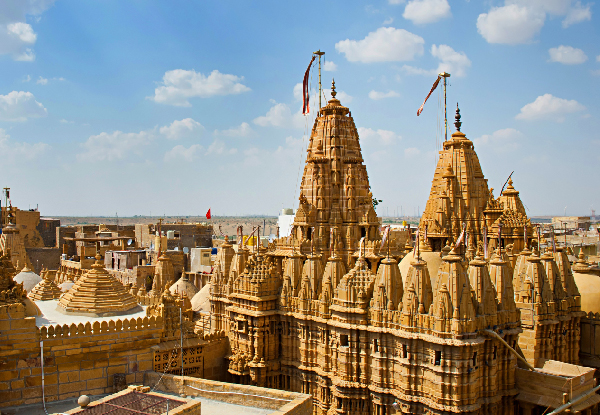
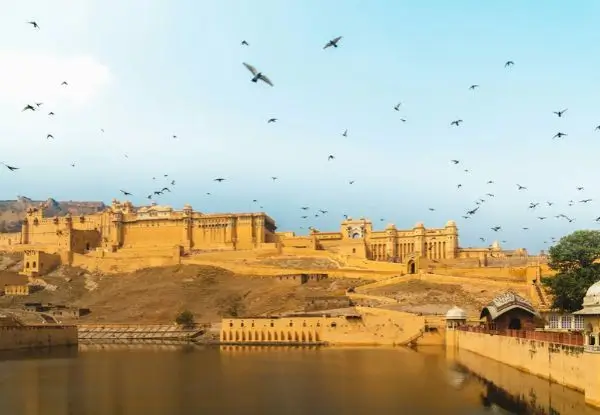
A realistic daily budget for a mid-range queer couple in Rajasthan sits around Rs.12,000 to Rs.20,000 per day for two, covering a heritage hotel, a private driver, entry tickets and meals in good restaurants. Monument tickets for foreigners add up quickly: Amber Fort in Jaipur costs around Rs.500, the City Palace in Udaipur about Rs.300, Mehrangarh Fort in Jodhpur roughly Rs.600 to Rs.800 with audio guide, and the Jaisalmer Fort palace museum around Rs.250 to Rs.500. A desert night with Real Desert Man Camel Safari starts at Rs.2,500 plus tax per adult for an open-dune stay and Rs.3,500 plus tax for a luxury tent, with single travellers paying one and a half times the listed price.
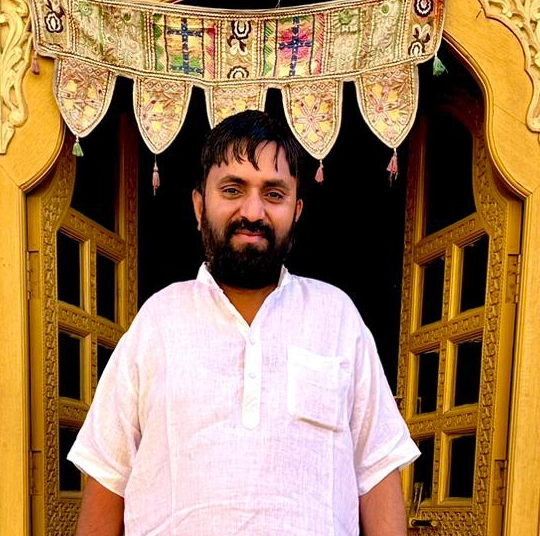
The most practical advice of all is to talk to your hosts. Tell your desert operator, hotel or guide what you need before you arrive, and choose people who answer clearly and without hesitation. Sawai Dan and the Real Desert Man team have hosted queer couples, solo travellers and friend groups for years, and any request about tents, beds, privacy or route is handled quietly and without comment. That kind of direct conversation removes almost every worry that queer travellers carry into Rajasthan. For extra peace of mind, save the Ministry of Tourism helpline 1800-11-1363, which answers in English and several foreign languages, along with the women's helpline 1091 and the address of your hotel written in English and local script on a card for drivers.